
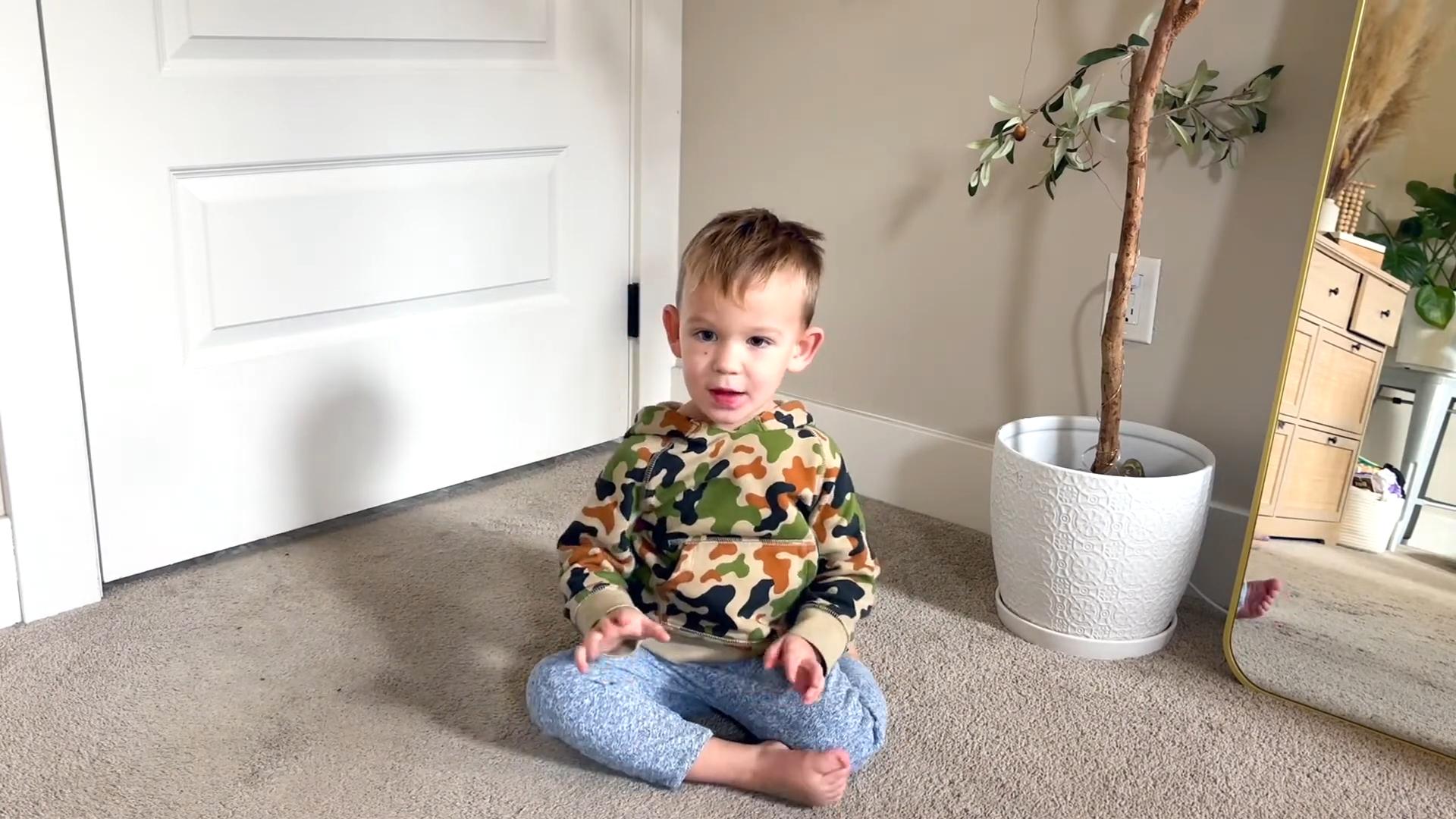
W-sitting is a common posture seen during early childhood play.
Legs bend inward with knees pointing forward and feet positioned outward, creating a W shape when viewed overhead. Many toddlers move into this position naturally during floor activities.
Frequent or exclusive use can signal developmental concerns tied to strength, balance, and body control.
A clear link exists between W-sitting and low muscle tone, making careful observation important during the early years.
Why Children With Low Muscle Tone Prefer W-Sitting
Low muscle tone, also called hypotonia, affects how a child stabilizes the body against gravity. Reduced postural control makes it difficult to sustain upright sitting positions that require active muscle engagement.
Positions such as crisscross or side sitting demand continuous activation of core muscles, hip stabilizers, and trunk extensors. Fatigue sets in quickly when strength and endurance remain limited.
W-sitting lowers physical demands and allows a child to remain upright with minimal effort, even during longer play periods.
Joint hypermobility frequently appears alongside low muscle tone. Ligaments provide less passive stability, forcing children to search for positions that create external support.
A wide base at the hips and knees offers a sense of security and reduces the need for balance reactions. Trunk weakness combined with delayed protective responses increases fear of falling.
W-sitting becomes a reliable option that feels stable and predictable, even though it limits healthy movement patterns.
@ask.bubbie The guidelines have changed. #toddlers #parenting ♬ original sound – Ask Bubbie
- Reduced activation of abdominal and gluteal muscles
- Increased reliance on joint positioning rather than muscular control
- Decreased need for trunk rotation and weight shifting
W-sitting acts as a short-term solution for maintaining posture, yet long-term use interferes with strength development and motor skill progression.
Read more: Scissor legs in infants, when to seek medical help?
Risks and Consequences of Prolonged W-Sitting
Extended reliance on W-sitting affects the body in multiple ways. Muscles, joints, and movement coordination adapt to repeated positioning.
Over time, these adaptations increase injury risk and delay motor development.
View this post on Instagram
Musculoskeletal Concerns
Persistent W-sitting encourages muscle tightness and joint stress. Internal rotation at the hips becomes dominant, while opposing muscle groups weaken or shorten.
Limited variation in posture prevents muscles and connective tissue from maintaining healthy length and flexibility.
- Hip internal rotators and adductors
- Hamstrings that remain shortened due to limited leg extension
- Ankles and heel cords exposed to prolonged inward rotation
Repeated stress on hips and knees increases joint strain. Children with a history of hip dysplasia face higher risk of hip instability or dislocation when this posture dominates daily play.
Developmental and Motor Delays
Movement variety fuels motor learning. W-sitting restricts trunk rotation and lateral weight shifting, both essential for balance reactions and smooth transitions.
Rising into standing, shifting weight during play, and coordinating both sides of the body require experiences that W-sitting fails to provide.
- Crossing midline is needed for hand dominance and bilateral coordination
- Transitional movements such as floor to stand
- Dynamic balance is required for:
- Climbing
- Running
- Jumping
Fixed posture patterns limit adaptability and reduce confidence during more demanding activities.
Gait Abnormalities
Hip and knee positioning during W-sitting places repeated internal rotation stress on lower extremities.
Over time, walking patterns may reflect these forces. In-toeing or pigeon-toed gait often appears and can persist when habits remain unchanged.
Altered mechanics influence endurance, coordination, and efficiency during higher level motor tasks.
When to Consult a Physical Therapist
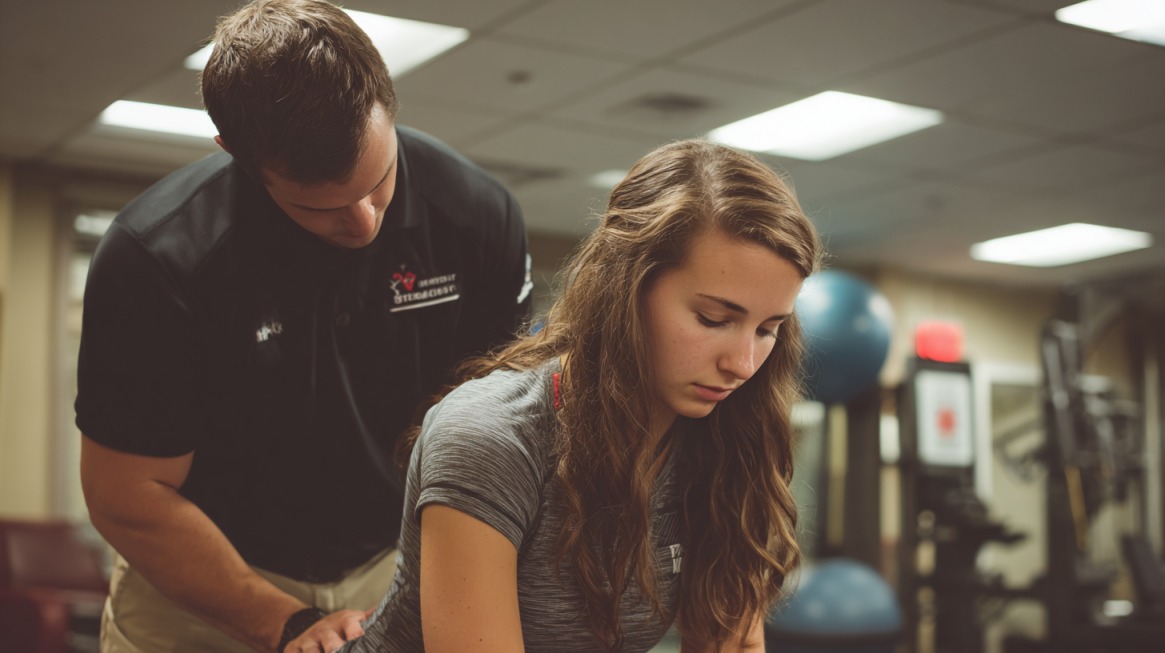
Early identification supports better outcomes. Certain signs suggest professional evaluation may be beneficial.
Exclusive reliance on W-sitting while avoiding alternative positions raises concern.
Low muscle tone, joint hypermobility, or visible postural weakness increase risk of secondary issues.
- In-toeing observed during walking
- Delayed or clumsy gross motor skill performance
- Poor balance or frequent loss of stability
- Difficulty transitioning between positions
- Avoidance of midline crossing during play
Inability to independently assume or maintain alternative sitting postures signals limited postural control.
Early intervention supports balanced development and reduces long-term musculoskeletal strain.
Alternative Sitting Positions to Encourage
Postural variety strengthens muscles and improves motor planning. Teaching multiple sitting options gives children tools to self-adjust during play.
Tailor sitting, often called crisscross applesauce, promotes hip external rotation and core engagement.
Side sitting, sometimes called mermaid sit, encourages trunk rotation and controlled weight shifting.

- Long sitting with legs extended to support hamstring length
- Tripod or ring sitting to maintain stability with active control
- Deep squatting during play to build lower body strength
- Tall kneeling or half-kneeling during table activities
Stools and child-sized chairs encourage upright alignment and reduce reliance on floor postures.
Exercises and Interventions to Correct W-Sitting
Targeted activities support flexibility, strength, and improved movement awareness. Consistent practice during play increases carryover into daily routines.
Stretching to Release Muscle Tightness
Gentle stretching improves joint alignment and muscle balance.
Butterfly position stretches hip external rotators when knees move downward in a controlled manner.
Seated hamstring stretches using playful resistance promote flexibility while maintaining engagement.
- Calf and ankle muscles with knees straight or bent
- Heel cords affected by inward rotation
- Feet using gentle outward pressure at the base of toes
Regular stretching helps counteract tightness linked to habitual positioning.
Strengthening Core and Postural Muscles
Strength-based play creates long-term change. Crab position leg kicks activate glutes and abdominal muscles.
Ankle art activities involve drawing shapes or letters with feet while lying on the back, encouraging controlled lower limb movement.
- Dead bug holds paired with balancing a toy
- Hands-and-knees play supporting shoulder and trunk stability
- Knee walking between play areas or while pushing a basket
Consistent practice improves stability, coordination, and confidence in movement while reducing reliance on compensatory sitting patterns.
Summary
W-sitting appears frequently during toddler years, yet persistent use signals possible challenges linked to low muscle tone and movement control.
Occasional use falls within typical development, while constant reliance deserves attention.
Physical therapy evaluation identifies underlying causes and guides targeted strategies.
Early redirection paired with strengthening and stretching supports healthy alignment and motor skill growth. Timely support reduces risk of long-term complications and promotes efficient, confident movement patterns.