Toddler brain development does not depend on expensive toys, early worksheets, or highly structured lessons.
What matters most is repeated real-world interaction: talking back and forth, reading aloud, pretend play, movement, music, problem-solving, and daily routines done with an engaged adult.
These activities help build the early foundations of language, attention, memory, self-control, motor planning, and social understanding.
Research and pediatric guidance consistently point in the same direction: young children learn best through warm, responsive relationships and hands-on play, not passive entertainment.
Why The Right Activities Matter So Much In Toddlerhood
During the toddler years, the brain is building connections that support much more than early words. Children this age are learning how to focus, copy, remember, solve simple problems, use their bodies with more control, and understand other people.
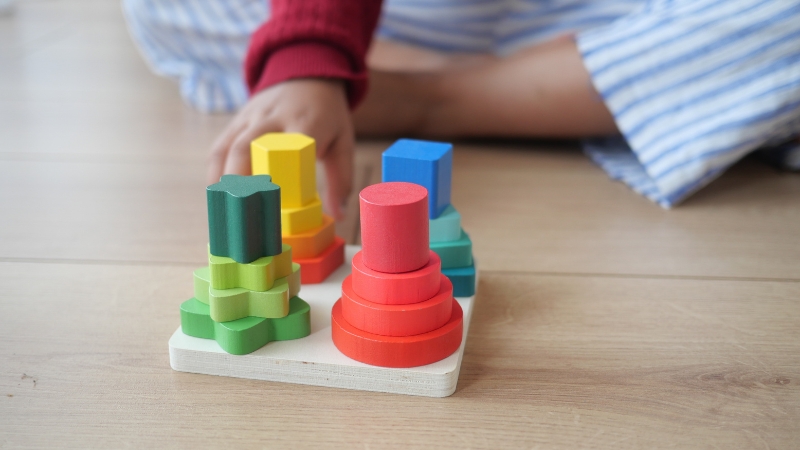
Good activities do not isolate one tiny skill. They combine many of them at once. A toddler stacking blocks may be working on motor planning, frustration tolerance, spatial thinking, and language if an adult joins in and talks about what is happening.
That is why the best brain development activities usually look simple from the outside. They often involve ordinary objects, a familiar adult, and lots of repetition.
The CDC’s toddler guidance emphasizes talking, adding to the words a child says, naming objects and body parts, playing matching games, and encouraging exploration. Those are not random suggestions. They are practical ways to strengthen the systems the toddler brain is actively building.
1. Back and Forth Conversation
View this post on Instagram
This is one of the strongest things you can do for a toddler’s brain because it supports language, social understanding, attention, and memory all at once.
Harvard’s “serve and return” concept explains it clearly: the child does something first, such as pointing, babbling, naming something, or asking for help, and the adult responds in a meaningful way.
That pattern helps shape brain architecture and supports early language and social skills that later connect to more complex thinking.
What matters is not just hearing words around them. It is interaction. If your toddler says “ball,” a stronger response is not just “yes.” It is “yes, that is the blue ball,” or “the ball rolled under the chair.”
The CDC specifically recommends talking with toddlers and adding to the words they start, because richer responses give them more usable language input.
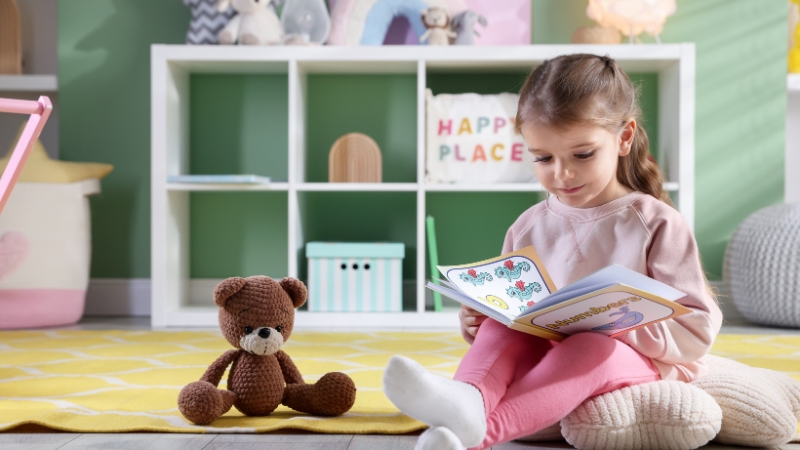
2. Reading Aloud Every Day
Reading supports far more than future school skills. Shared reading helps toddlers build vocabulary, listening stamina, memory, joint attention, and emotional connection with the adult reading to them.
The AAP’s guidance on play and early development consistently treats reading as part of a healthy, relationship-based learning environment, not just a literacy exercise.
The most useful kind of reading at this age is interactive reading. Let the child point to pictures. Ask where the dog is.
Pause before a familiar line. Let them turn pages and repeat favorite words. A short, engaged reading session every day does more for brain development than occasionally trying to force a long one.
Reading Habit
Why It Helps The Brain
Simple Example
Pointing to pictures
Builds word meaning and visual attention
“Where is the apple?”
Repeating favorite books
Strengthens memory and prediction
Same bedtime book for a week
Letting the child join in
Supports expressive language
Pause so they say the last word
Talking about the story
Builds comprehension
“The bear is sleepy.”
Keeping it short and frequent
Matches toddler’s attention span
5 to 10 minutes daily
Shared reading works best when it feels warm and predictable, not like a lesson. At this stage, the real benefit comes from repetition, attention, and connection.
3. Pretend Play
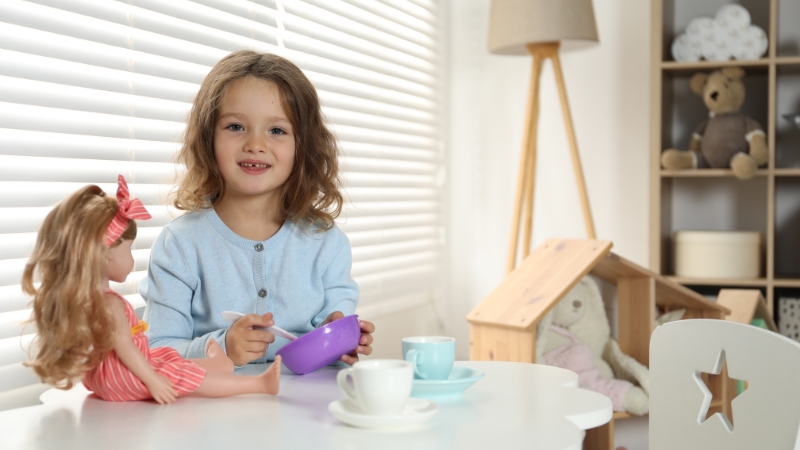
Pretend play is one of the clearest signs that a toddler is moving into more flexible thinking. When a child feeds a doll, pretends a block is a phone, or puts a toy animal to sleep, they are practicing symbolic thought.
That means they can let one object or action stand for something else. This is a major cognitive step, and the AAP identifies this kind of play as an important part of healthy development.
Pretend play also helps with sequencing and social understanding. A toddler acting out bedtime with a stuffed animal is not just copying what they see.
They are organizing events in order, remembering routines, and experimenting with roles. This makes pretend play one of the most complete brain-building activities for this age.
4. Singing, Rhymes, And Action Songs
Songs and rhymes help toddlers hear language patterns more clearly. Repetition makes words easier to remember, while rhythm supports attention and timing. When songs include clapping, stomping, or hand motions, they also bring in movement and imitation.
That turns music into a language and motor activity at the same time. The AAP’s play guidance supports this broader idea that playful interaction builds cognitive, language, and self-regulation skills together.
Simple songs are usually better than complicated ones. Toddlers learn through repeated exposure.
A song they can partly predict becomes more useful than a new one every day. Action songs are especially good because they make the child listen, wait, and match movement to sound.
5. Active Physical Play
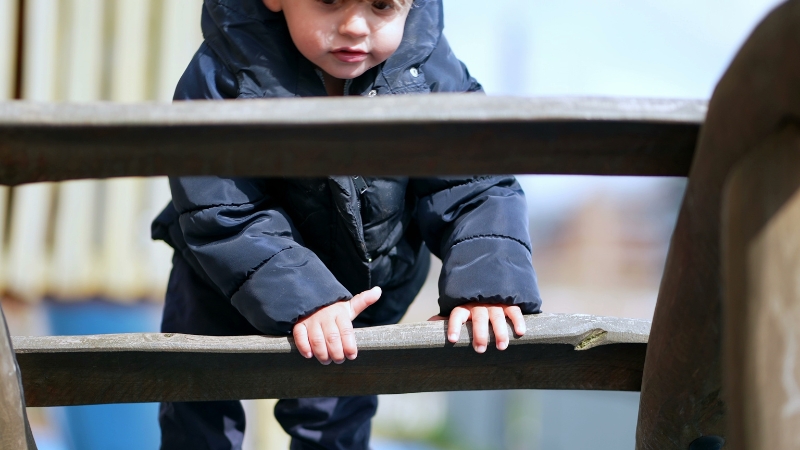
Physical activity is not separate from brain development. It supports it directly. When toddlers climb, run, squat, balance, push, pull, and carry, they are building coordination, body awareness, motor planning, and confidence.
WHO guidance for children under 5 specifically addresses daily physical activity, sedentary behavior, and sleep because these all affect health and development together.
Outdoor play adds even more value because it gives toddlers changing surfaces, more sensory input, and real opportunities to judge space and movement.
A short walk, a playground visit, or running after a ball all make the brain organize movement in useful ways.
AAP materials on play also note the value of outdoor play for overall development and health.
Activity
Main Skills Built
Why It Matters
Climbing steps or low structures
Motor planning, balance
Helps the brain coordinate body movement
Running and chasing
Spatial awareness, stamina
Improves whole body control
Kicking or throwing a ball
Timing, coordination
Builds movement accuracy
Pulling a wagon or pushing toys
Strength, planning
Teaches effort and direction
Dancing to music
Rhythm, listening, body control
Connects sound with action
Toddlers do not need formal exercise routines. They need chances to move often, in different ways, across the day.
6. Puzzles, Shape Sorters, And Matching Games
These activities are excellent for early problem-solving because they force the child to compare, test, notice differences, and keep trying.
The CDC directly recommends matching games, shape sorting, and simple puzzles for toddlers. Those activities help children practice visual-spatial reasoning and persistence without turning learning into something abstract.
The important part is choosing the right level. A toddler gains more from a simple shape sorter or a large piece puzzle they can almost solve than from a difficult toy that leads to frustration every time. Brain development works best when the challenge is present but manageable.
7. Block Play and Open-Ended Building
Blocks are valuable because they stay flexible. A toddler can stack them, line them up, knock them down, sort them, or turn them into pretend objects.
This supports problem-solving, motor control, and flexible thinking. Open-ended materials are often better than toys with only one function because they leave more room for the child to make decisions.
Block play is also a natural language activity. Adults can add words like on top, under, tall, short, heavy, and fell down. That means the same game can support spatial learning and vocabulary at once.
8. Art And Scribbling
Art for toddlers should be about process, not outcome.
Scribbling with large crayons, finger painting, pressing clay, or sticking paper pieces down helps build fine motor control, hand strength, planning, and sensory exploration. For toddlers, these are not side benefits. They are the main benefits.
The best toddler art activities are open enough to let the child explore. If the adult controls the whole result, the activity becomes about following instructions. If the toddler gets to press, drag, smear, or scribble freely, the brain gets much more practice with cause and effect and motor control.
9. Daily Routines That Include The Child
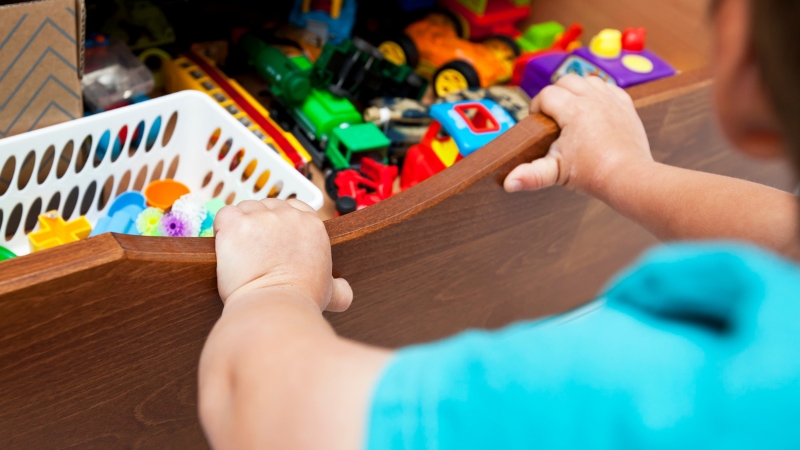
Some of the best brain-building work happens in normal household routines. Helping put toys in a basket, bringing shoes to the door, placing fruit on the table, or carrying laundry builds memory, sequencing, listening, and independence.
The CDC’s milestones guidance for age 2 specifically encourages letting children help with simple chores such as putting toys or laundry in a basket.
Routine-based learning matters because it repeats. The child hears the same language and sees the same order over and over. That helps the brain organize patterns.
These small jobs also build confidence because the child can see that their actions have a clear purpose.
Routine
Brain Skills Involved
Easy Way To Use It
Putting toys away
Memory, categorization, self-control
“Blocks go in this basket.”
Helping at mealtime
Sequencing, vocabulary
“Put the spoon on the table.”
Getting dressed
Body awareness, following directions
“Sock first, then shoe.”
Laundry help
Matching, sorting
Pair socks by size or color
Bath routine
Language, prediction
Name each step as it happens
This is one reason toddler learning does not need to be separated from daily life. Real routines already give the brain useful structure.
10. Sensory Play
Sensory play can be excellent when it stays simple and interactive.
Water pouring, scooping dry rice, digging in sand, squeezing sponges, and feeling safe textures all help toddlers compare materials, notice differences, and understand cause and effect.
The value is not in making an elaborate sensory station. The value is in what the child does and how the adult adds language and shared attention.
A calm setup usually works better than an overstimulating one. One tub of water and two cups can produce more meaningful learning than a crowded activity with too many objects.
Toddlers often focus better when the environment is simple.
11. Sorting, Naming, And Real World Learning
@chrissynutter Most people don’t realize this… sorting is brain work 🧠 Brain fact: When kids sort objects, their brain is learning how to organize information. That builds attention, memory, and problem-solving — and creates a foundation for reading and math later on. If you know a parent with a toddler who loves dumping, matching, and organizing everything, send this to them 💛 #e#earlychildhoodeducation#m#momsoftiktok ♬ original sound – Chrissy Marie
Toddlers do not need flashcards to learn categories. They can sort spoons from forks, group toy animals together, find round objects, or identify body parts.
The CDC specifically recommends asking toddlers to find objects or name body parts and objects. These kinds of real-world naming activities build vocabulary, attention, and early classification skills.
This works especially well during normal life. At the store, ask your toddler to find bananas. On a walk, point out buses, dogs, leaves, or birds.
At home, sort big and small socks. These moments feel ordinary, but they are exactly the kind of repeated exposure that helps toddlers connect words to the world around them.
12. Warm, Responsive Play With Adults
One of the most important facts parents miss is that the adult matters as much as the activity. A toddler playing alone with a toy gets one kind of experience. A toddler doing the same activity with a responsive adult gets a richer one.
The AAP’s play guidance emphasizes that play with parents and peers helps build thriving brains, bodies, and social bonds.
Harvard makes the same point through serve and return: relationships shape the quality of early learning.
This does not mean you have to entertain your child all day. It means that the moments when you do join in should feel responsive.
Notice what the child is focused on, follow that interest, and add a little language or challenge. That is often more useful than trying to direct everything.
What To Limit
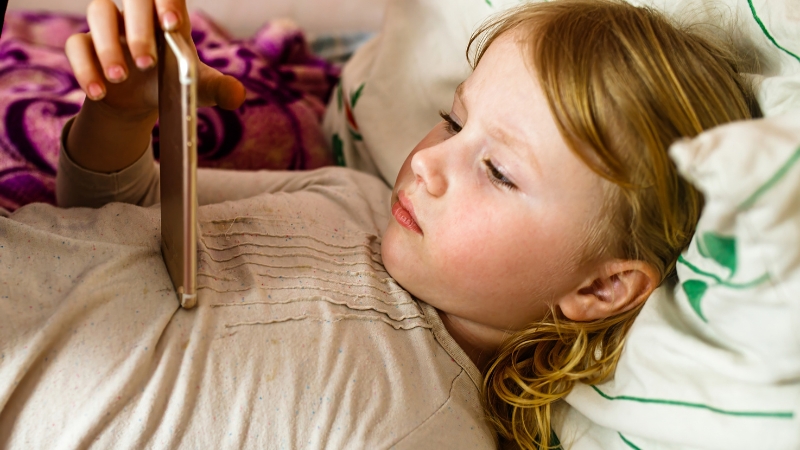
What tends to get in the way of healthy brain development is not usually a lack of specialty activities. It is too much passive time replacing the basics.
WHO guidance for under-5s warns against too much sedentary screen time and emphasizes healthy daily patterns that include activity and sleep.
That matters because screen time can easily crowd out movement, conversation, free play, and reading.
This does not mean every minute of media is automatically harmful. It means it should not take over the parts of the day that toddlers need for real interaction. At this age, brain development depends heavily on human response and hands-on experience.
Bottom Line
The best activities for brain development in toddlers are the ones that combine interaction, language, movement, and exploration.
Talking back and forth, reading aloud, pretend play, action songs, active outdoor play, simple puzzles, block play, art, sorting, and involving toddlers in daily routines all support the developing brain in practical ways.
The strongest environment for toddler learning is not the most expensive one. It is the one where a child is talked to, responded to, moved often, and given chances to explore the real world every day.