
Red Flags in Baby Development (0–12 Months)

One in six American children has a developmental delay. Most aren’t identified until years after the window for the most effective intervention has passed. The hardest thing about developmental red flags in infants is that they rarely look alarming at the time. A baby who doesn’t smile back at four months doesn’t seem like a … Read more


What are 6 Signs of Developmental Delay by Age?

Young child playing with colorful toy blocks and vehicles indoors

Developmental delay describes a situation in which a child does not reach expected milestones within a typical age range. Growth and development usually follow a predictable pattern, yet some children progress more slowly in one or several areas. Motor, speech, social, and cognitive abilities may all be affected. Early signs often appear subtle and may … Read more

What’s the Difference Between an IEP and a 504 Plan?

Student sitting at desk with books looking tired or bored

Educational support plans exist to ensure that students with disabilities receive appropriate assistance in school settings. Laws require public schools to provide support so that students can access learning opportunities and make academic progress. Without structured plans, many students would face barriers that limit participation in general education environments. While both support students with disabilities, … Read more

Decoding vs Encoding – What’s the Difference in Reading?

Student reading a book at a desk near a bright window

Literacy involves two closely connected processes: reading and writing. Reading relies on decoding, while writing relies on encoding. Both depend on shared knowledge of sounds and symbols within a language system. Development of strong literacy skills requires growth in both areas at the same time. Skilled readers and writers build decoding and encoding together, not … Read more

What are the Most Efficient Print Awareness Activities for Early Readers

Young child sitting in a classroom reading a book with shelves and colorful materials in the background

Print awareness is the idea that printed text carries meaning and represents spoken language. Early readers begin to notice that marks on a page relate to the words people say aloud. Printed symbols form messages that communicate ideas, information, and stories. Recognition of printed language also includes familiarity with how books and printed materials work. … Read more

Phonological vs Phonemic Awareness Explained for Parents

Mother holding a young child close while looking at the camera

Learning to read begins long before a child looks at printed words. Researchers widely agree that children first need awareness that spoken words contain smaller sound parts. Recognition of those sounds allows children to connect speech to letters later during reading instruction. Phonological awareness and phonemic awareness represent two important early literacy skills that prepare … Read more

Torticollis in Babies – Signs, Causes, and When to Seek Help

Close-up of a baby receiving gentle neck support during a check for torticollis

Torticollis, often called “wry neck,” is a condition in which an infant’s head tilts to one side while the chin rotates toward the opposite shoulder. Abnormal head posture occurs because the sternocleidomastoid muscle in the neck becomes tight or shortened, limiting normal movement of the head and neck. Sternocleidomastoid muscle connects the area behind the … Read more

Epidural Failure During C-Section – What Happens Next?

Woman lying in a hospital bed with medical wristbands and IV lines, gently cradling a swaddled newborn on her chest

Epidural anesthesia plays a central role in modern labor and delivery care. Many patients receive an epidural catheter during labor for pain relief, and that same catheter is often used to provide surgical anesthesia if a cesarean delivery becomes necessary. In these situations, clinicians administer a stronger dose through the existing catheter, a process commonly … Read more

Infant Neck Injuries During Birth – Signs to Look For in the First Few Days

Close up of a newborn baby lying under a white blanket with hands near their mouth

Infant neck injuries refer to harm affecting a newborn’s neck during labor, delivery, or immediately after birth. A birth injury involves physical damage that occurs in the process of childbirth. In the case of infant neck injuries, harm may involve muscles, bones, nerves, or soft tissues located in the neck region. Muscles can become strained … Read more

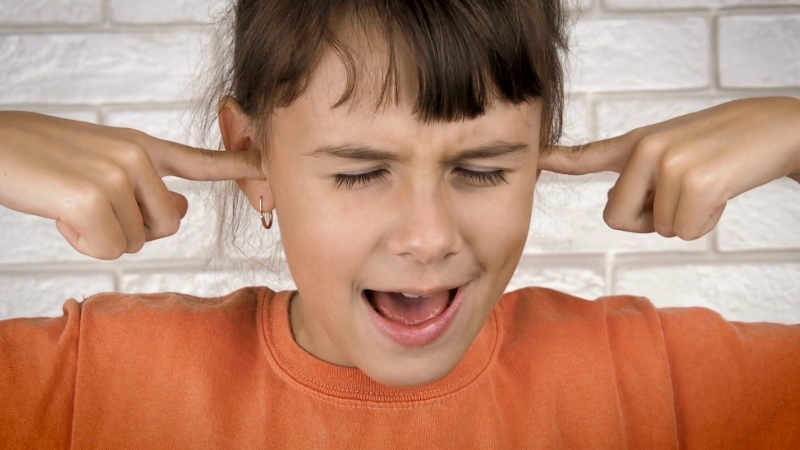
Meltdowns vs. Tantrums – How to Tell the Difference

Child covering ears and yelling during emotional distress, illustrating meltdowns vs. tantrums

Concrete answer upfront: tantrums usually happen when a child wants something or tries to influence others, while meltdowns happen when a child becomes overwhelmed and loses emotional control. A tantrum involves some level of choice or strategy. A meltdown reflects emotional overload where reasoning, rewards, or consequences do not work until the nervous system settles. … Read more