
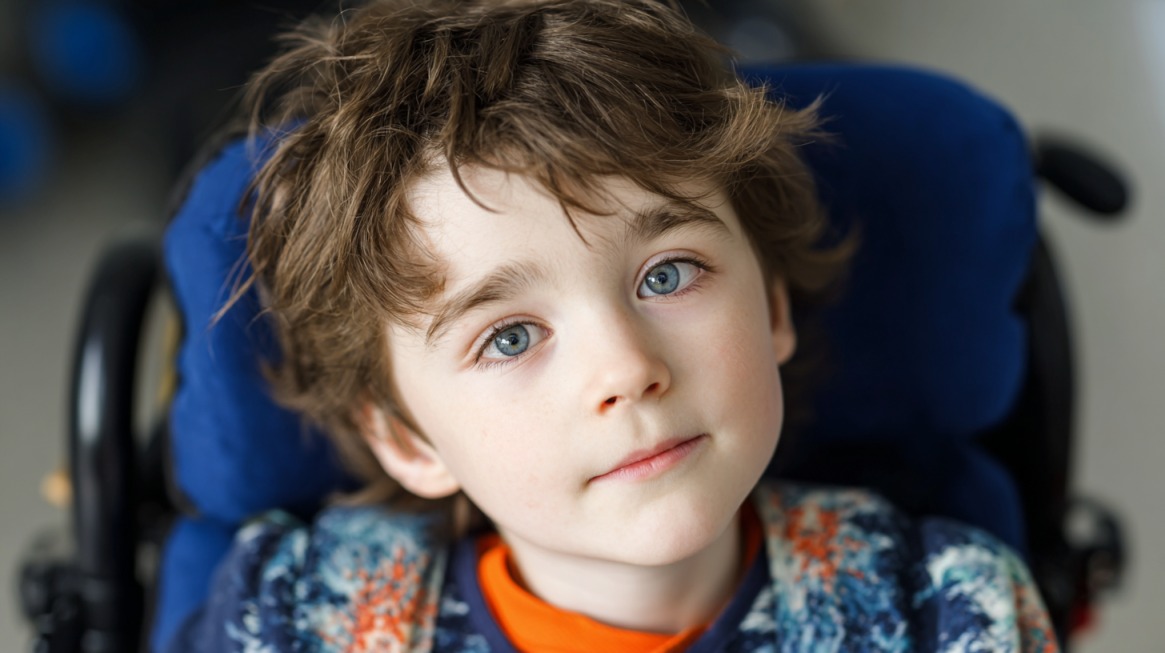
Spastic Hemiplegic Cerebral Palsy (SHCP) is a neurological condition affecting muscle control and movement on one side of the body.
It results from damage to the brain’s motor regions that control voluntary motion. In most cases, one arm and one leg on the same side show noticeable stiffness or weakness.
SHCP belongs to the broader group of cerebral palsy disorders but has its own distinctive set of symptoms and challenges.
Early recognition plays a crucial role in maximizing independence and improving mobility through targeted therapies.
Symptoms typically include muscle tightness, involuntary movements, and limited function in affected limbs.
Early medical intervention and supportive care remain essential for improving quality of life and preventing further complications.
Causes of Spastic Hemiplegic Cerebral Palsy
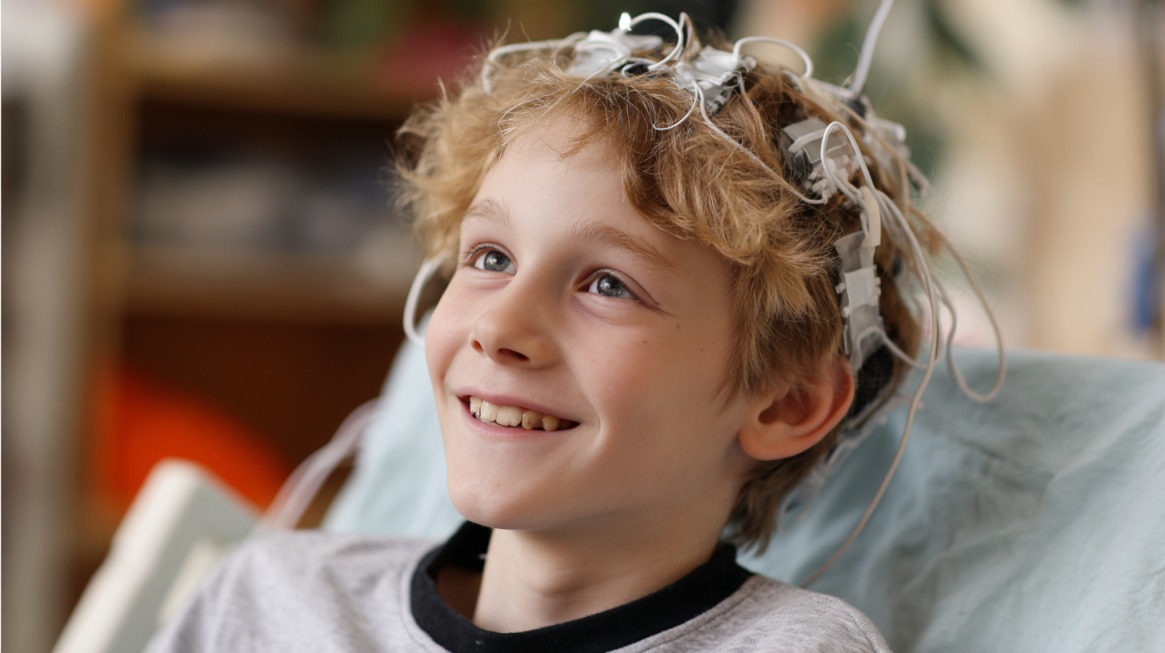
Spastic Hemiplegic Cerebral Palsy (SHCP) arises when brain regions responsible for motor function become damaged, particularly those controlling muscle tone and coordination on one side of the body.
The timing and nature of this damage play a major role in determining how severe the condition becomes.
Causes are typically classified into three main categories, prenatal, perinatal, and postnatal, depending on when the brain injury occurs.
Prenatal Causes
Brain damage that develops before birth accounts for a large portion of SHCP cases.
- Oxygen
- Blood flow
- Cellular growth
When complications arise in the womb, they may lead to permanent structural or functional impairments in the motor cortex or surrounding areas.
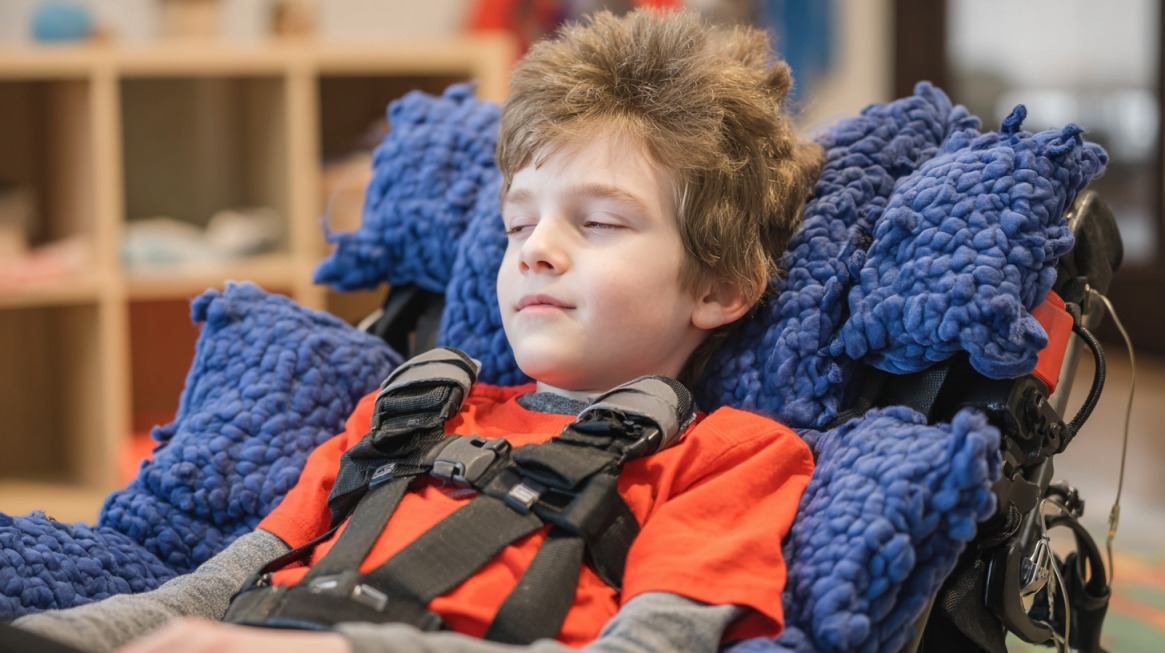
- Perinatal stroke: Often occurring during late pregnancy or shortly before delivery, it disrupts the blood supply to brain regions responsible for motor control, resulting in weakness or paralysis on one side of the body.
- Brain malformations: Errors in early brain cell division and migration can produce malformed brain structures that affect muscle coordination and tone.
- Maternal infections such as cytomegalovirus (CMV), toxoplasmosis, and rubella can trigger inflammation and hinder neural development, especially in the first and second trimesters.
- Genetic mutations may interfere with brain growth, influencing neural connectivity and motor function.
Maternal health conditions like preeclampsia and diabetes can impair the placenta’s ability to deliver sufficient oxygen and nutrients to the fetus, leading to restricted growth or hypoxia.
Prenatal prevention focuses on consistent medical supervision, early infection screening, and management of maternal health conditions to minimize fetal risk.
Perinatal Causes
Injuries occurring during labor or immediately after delivery also contribute significantly to SHCP development.
The perinatal period is particularly critical, as the baby’s brain undergoes major changes while adapting to life outside the womb.
Even brief interruptions in oxygen or blood supply can cause irreversible injury to brain cells.
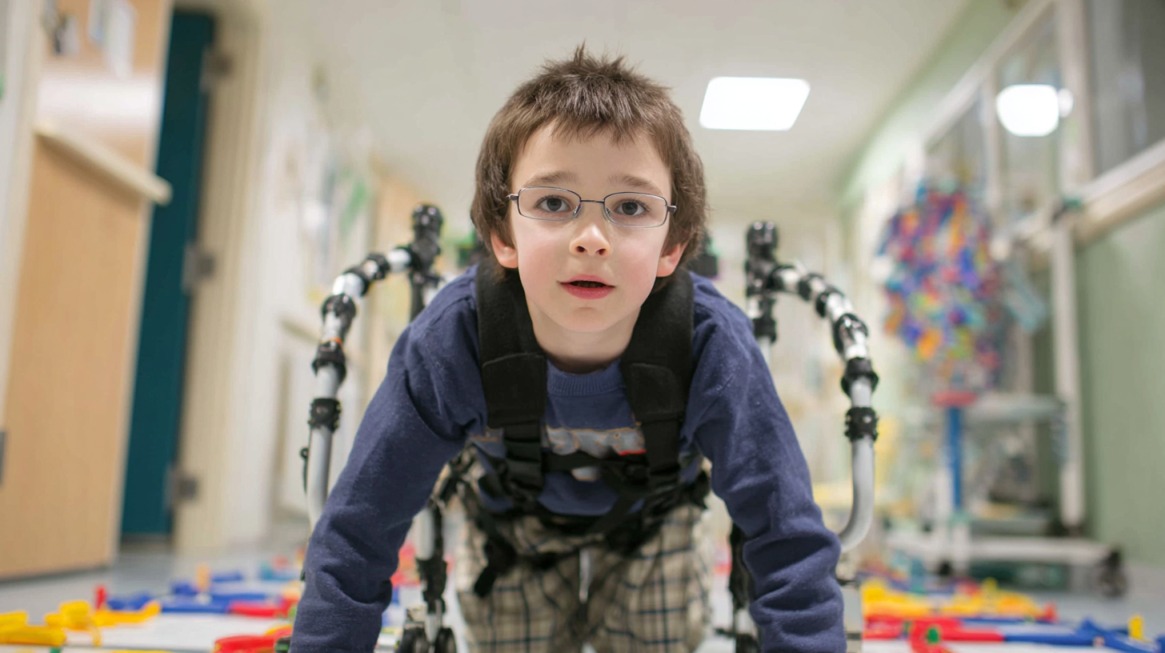
- Oxygen deprivation (hypoxia) during labor can result in extensive neuronal damage if not corrected promptly.
- Birth trauma due to improper use of delivery tools such as forceps or vacuum extractors, may cause intracranial bleeding or skull injury
Premature birth increases vulnerability to bleeding within the brain’s white matter, a condition known as intraventricular hemorrhage, which disrupts communication between the brain and muscles.
Low birth weight often correlates with underdeveloped organs, especially the lungs, reducing oxygen delivery and heightening the likelihood of brain injury.
Careful monitoring of fetal heart rate and modern delivery techniques have reduced, but not eliminated, these risks.
Neonatal intensive care and immediate postnatal evaluation play a crucial role in reducing long-term complications.
Postnatal Causes
Even after birth, a baby’s brain remains fragile. Damage during infancy can have life-altering effects, particularly when it affects areas linked to motor control and muscle coordination.
Early postnatal injuries are often the result of medical emergencies, infections, or accidents.
- Neonatal stroke, which can occur within days or weeks after birth, depriving certain brain regions of blood and oxygen.
- Brain infections such as meningitis or encephalitis can cause inflammation, swelling, and nerve damage that disrupt normal movement control.
- Traumatic brain injury, caused by falls or accidents, can permanently damage one hemisphere of the brain, producing hemiplegic symptoms.
- Kernicterus, a condition resulting from severe jaundice, occurs when bilirubin levels rise excessively and deposit in brain tissue, leading to spasticity and motor dysfunction.
Vaccination programs, infection control, and early detection of neonatal jaundice remain vital preventive strategies. Prompt medical attention during infancy can significantly lower the risk of developing SHCP due to postnatal factors.
Risk Factors
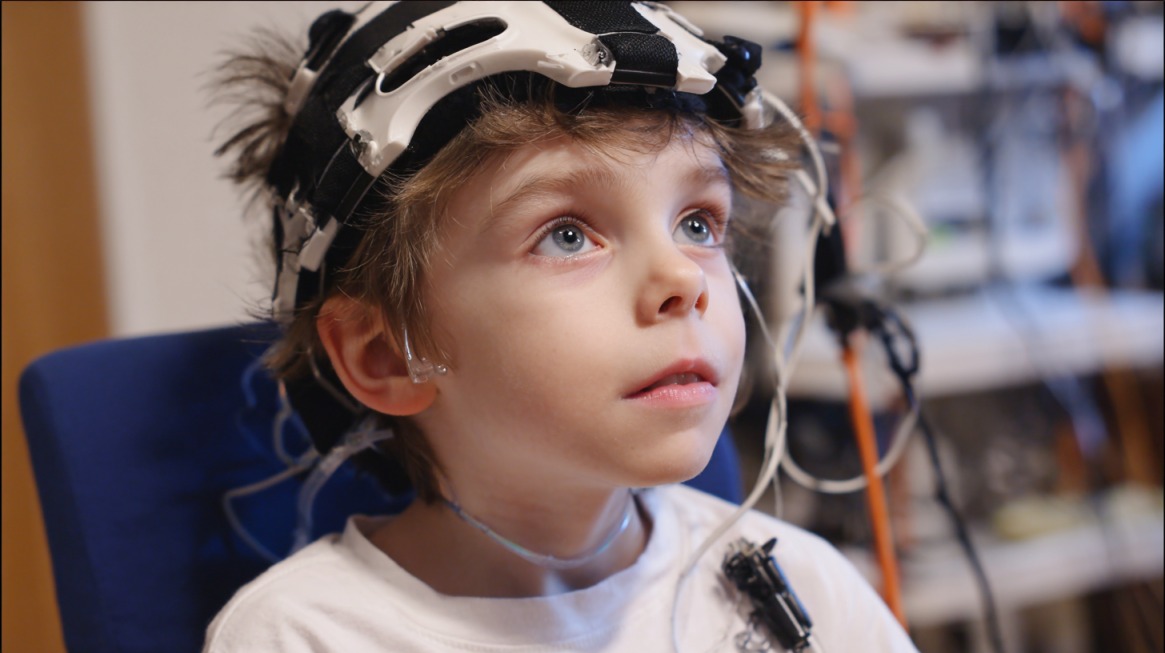
Not all children exposed to risk factors develop SHCP, but certain conditions during pregnancy and birth greatly increase the likelihood of brain injury.
These risk factors often interact, compounding the potential for damage to developing motor pathways.
Recognizing them early allows for preventive intervention and close medical observation.
- Advanced maternal age, which is associated with higher chances of pregnancy complications, genetic anomalies, and placental issues.
- Multiple births, such as twins or triplets, increase the risk of preterm labor, low birth weight, and oxygen deprivation due to shared placental resources.
- Pregnancy complications like placental abruption or maternal infections interfere with fetal oxygen supply and brain development.
- Substance exposure, including alcohol, tobacco, or illicit drugs, can cause fetal hypoxia, growth restriction, and structural brain abnormalities.
- Poor prenatal care prevents early detection of fetal distress, maternal conditions, or developmental irregularities that could otherwise be managed.
Combining these risk factors magnifies the chances of both prenatal and perinatal injuries leading to SHCP.
Preventive healthcare, including routine prenatal visits, proper nutrition, and maternal education, remains the most effective approach to reducing occurrences.
Signs and Symptoms

Spastic Hemiplegic Cerebral Palsy manifests through various motor, neurological, cognitive, and sensory symptoms.
Early detection relies on observing developmental patterns and physical asymmetry, as children often begin to favor one side or display unusual muscle tone during infancy.
Motor Symptoms
Motor issues are the most recognizable indicators of SHCP. They result directly from muscle stiffness and nerve dysfunction on one side of the body.
- Muscle spasticity, leading to tightness and reduced flexibility.
- Delayed motor milestones, where crawling, sitting, or walking occur later than expected.
- Early hand preference, showing dominance of one hand much earlier than typical development, often a sign of weakness on the other side.
- Abnormal gait, such as toe-walking or dragging a leg while walking, due to muscle imbalance.
- Weakness in hand or leg, limiting the ability to grasp, hold, or lift objects.
These symptoms may worsen with growth if untreated, making early physical therapy essential for improving range of motion and coordination.
Neurological Symptoms
Since SHCP originates in the brain, neurological issues frequently accompany motor challenges. They can also cause scissor legs in babies. Be sure to read more about it to gain a better understanding of what it is.
- Seizures or epilepsy, resulting from abnormal electrical activity in the brain.
- Clonus, which causes involuntary muscle jerks or rhythmic contractions.
- Poor balance and coordination, making simple activities like walking or sitting difficult.
Such symptoms can significantly affect mobility and require ongoing neurologic management, including medications and therapy to control spasms or seizures.
Cognitive & Developmental Symptoms
View this post on Instagram
Cognitive and communication skills may also be affected depending on the severity and location of the brain injury.
- Speech and language delays, often linked to poor motor control of facial muscles.
- Learning difficulties, especially with memory, attention, or problem-solving.
- Behavioral or emotional challenges, such as frustration, anxiety, or low confidence, frequently result from physical limitations.
Supportive educational programs and speech therapy can assist in promoting better cognitive development and communication.
Sensory Symptoms
Sensory disturbances often accompany SHCP due to affected sensory processing regions in the brain.
- Reduced sensation on the affected side, causing decreased awareness of touch, temperature, or pain.
- Visual impairments, including strabismus, where one eye may turn inward or outward, impacting depth perception and coordination.
Early ophthalmologic and sensory evaluations help identify these issues and guide adaptive strategies to support better function.
Treatment Options
Comprehensive treatment for SHCP combines therapies, medications, surgery, and adaptive tools to improve quality of life and independence.
| Category | Treatment Type | Purpose |
|---|---|---|
| Therapies | Physical Therapy | Improves strength, balance, and flexibility. |
| Occupational Therapy | Assists with everyday activities such as dressing and eating. | |
| Speech Therapy | Supports language development and swallowing coordination. | |
| Medications | Muscle Relaxants (e.g., Baclofen, Diazepam) | Help reduce muscle stiffness and spasticity. |
| Botox Injections | Relax overly tight muscles for several months, improving mobility. | |
| Seizure Medications | Prevent or control epileptic episodes and reduce neurological complications. | |
| Surgical Options | Orthopedic Surgery | Corrects skeletal deformities and releases tight muscles to improve movement. |
| Selective Dorsal Rhizotomy | Selectively severs nerve roots to lessen spasticity in severe cases. | |
| Assistive Devices | Orthotics (AFOs) | Stabilize joints and improve walking patterns. |
| Mobility Aids (Walkers, Wheelchairs) | Increase independence and support movement. | |
| Adaptive Utensils | Facilitate feeding, dressing, and writing for daily living tasks. |
The Bottom Line
Spastic Hemiplegic Cerebral Palsy represents a lifelong condition that demands continuous care and adaptation.
Early detection, combined with appropriate therapy and medical management, can significantly improve outcomes. Support networks and caregiver education are key components of successful long-term care.
Families should remain proactive in pursuing treatment and rehabilitation to maximize mobility, confidence, and overall well-being.