Sensory Overload in Children – Signs and Solutions

Sensory overload in children happens when the brain takes in more input than it can organize comfortably. That input may come from noise, lights, crowds, textures, smells, movement, touch, or several things hitting at once. The result is not just “bad behavior.” It can look like panic, irritability, covering ears, refusing clothes, bolting from a … Read more
2-Year-Old Not Talking – Should You Be Worried?

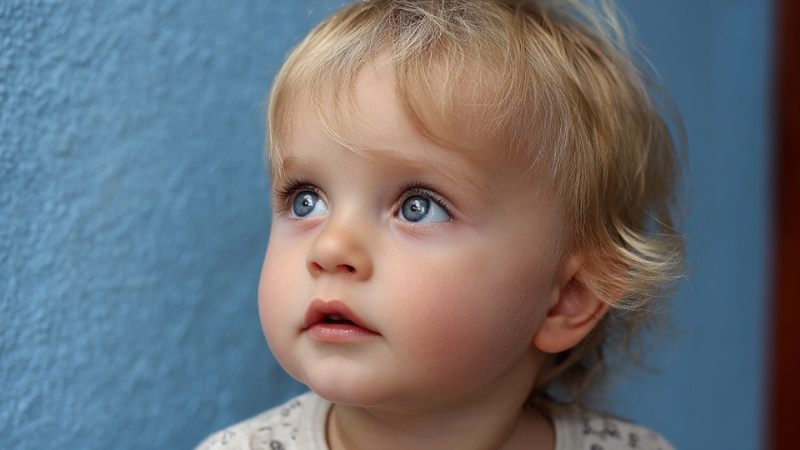
2-year-old not talking child looking up with curious expression

At age 2, a child who says fewer than 50 words and is not yet combining two words may fall into the late talker category, but that does not automatically mean something is seriously wrong. The text makes a clear distinction between a child who is simply late to start talking and a child with … Read more

When Should a Child Start Talking? Warning Signs

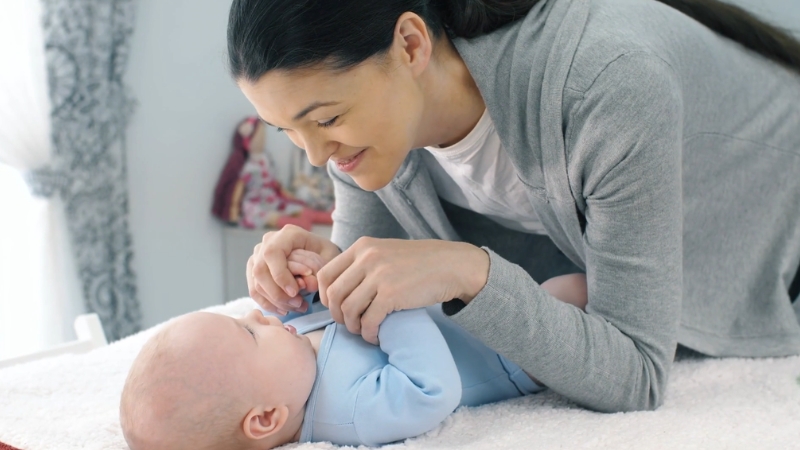
Parent talks to baby during early child talking development at home

The first word is one of parenthood’s most anticipated moments. Parents rehearse for it without realizing, narrating their days, repeating simple sounds, leaning in close every time a babble rises to something that almost sounds like language. But underneath that anticipation lives a quieter anxiety: what if it doesn’t come? What if the babbles stay … Read more

Why Dyslexic Kids Are Natural Problem Solvers

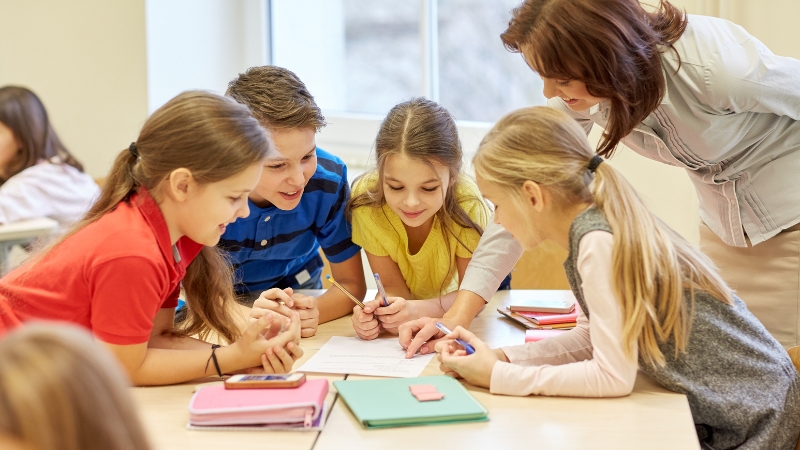
Dyslexic kids work together with a teacher on a classroom problem-solving activity

Many children with dyslexia develop unusually strong problem-solving skills because they constantly adapt to learning challenges that traditional reading-based education creates. To compensate, they often strengthen visual reasoning, pattern recognition, spatial awareness, creative thinking, and persistence. Research in educational psychology shows these adaptive strategies frequently translate into above-average abilities in complex problem solving, innovation, design … Read more