Can Vacuum-Assisted Delivery Cause Brain Damage? Risks, Research & Recovery

Close-up of an infant in a hospital setting wearing a patterned hat and nasal oxygen tube, looking directly at the camera

Vacuum-assisted delivery, also known as ventouse delivery, involves using a suction cup to help guide a baby through the birth canal during labor. Doctors may use it when natural pushing becomes too difficult or prolonged. It can be a valuable tool in ensuring a safe birth when used appropriately. However, improper technique or excessive force … Read more

Scissor Legs in Babies – Causes, Signs, and When to Seek Medical Help

A smiling woman holding a baby in her arms inside a bright medical clinic, with a doctor and other people blurred in the background

Scissor legs in infants describe a condition where a baby’s legs cross or stiffen tightly when lifted or held upright. It can be an early indicator of muscle tone abnormalities or neurological issues. Recognizing this pattern early is essential because it helps parents and doctors detect underlying conditions that may affect movement and development. Early … Read more

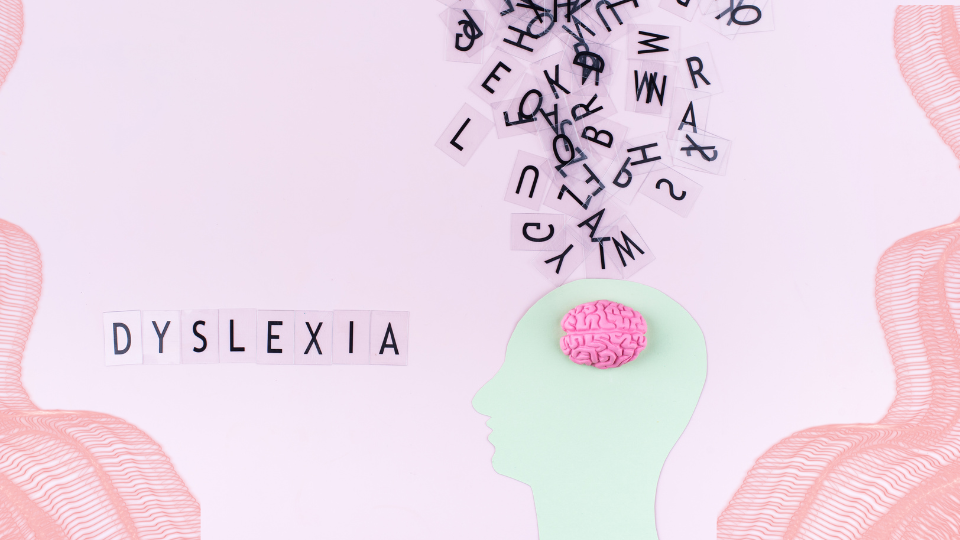
Is Dyslexia Gereditary? Analyzing the Evidence

dyslexia

Dyslexia has a strong hereditary component. Genetic research that we’ve analyzed reveals that inherited factors account for 40–80% of cases, suggesting a significant link between family history and the likelihood of developing this condition. Key genes and chromosomal regions contribute to the challenges associated with dyslexia, making it an area of ongoing scientific investigation. Key Takeaways Dyslexia is … Read more