What is CVI? The 10 Characteristics of Cortical Visual Impairment
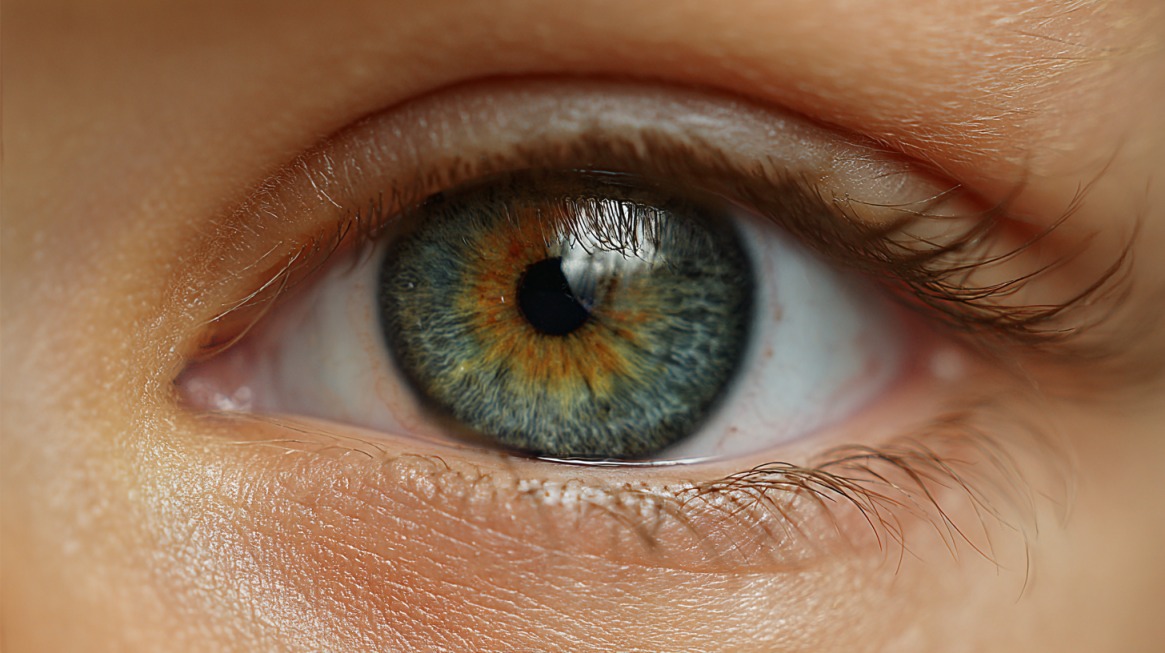
Detailed close up of an eye showing the iris pupil and eyelashes

Cortical Visual Impairment, often called CVI, is a brain-based visual condition caused by damage or differences in the visual pathways or visual processing areas of the brain. Vision loss in CVI does not originate in the eyes but in how visual information is processed neurologically. Ocular visual impairments are linked to structural or functional problems … Read more


Dysgraphia vs. Dyslexia – Symptoms, Testing, and IEP Accommodations

Young child leaning over a desk while writing with a pencil

Specific Learning Disabilities, commonly referred to as SLDs, represent a category of neurodevelopmental differences recognized in federal special education law. Dyslexia and dysgraphia both fall under the SLD classification and affect how students process language and express academic knowledge. Identification of these disabilities often occurs during early schooling, yet signs may appear well before formal … Read more

Dyskinetic Cerebral Palsy – Symptoms, Causes, Diagnosis & Therapy Explained

Young boy in a wheelchair with supportive straps, looking upward with a calm expression

Cerebral palsy (CP) refers to a group of neurological disorders that affect movement, muscle tone, and posture, caused by damage to the developing brain. Dyskinetic Cerebral Palsy is one of the main subtypes and is marked by involuntary, fluctuating muscle movements that can range from slow and writhing to sudden and jerky. Unlike spastic or … Read more

Spastic Hemiplegic Cerebral Palsy Explained – Causes, Symptoms & Treatment Options

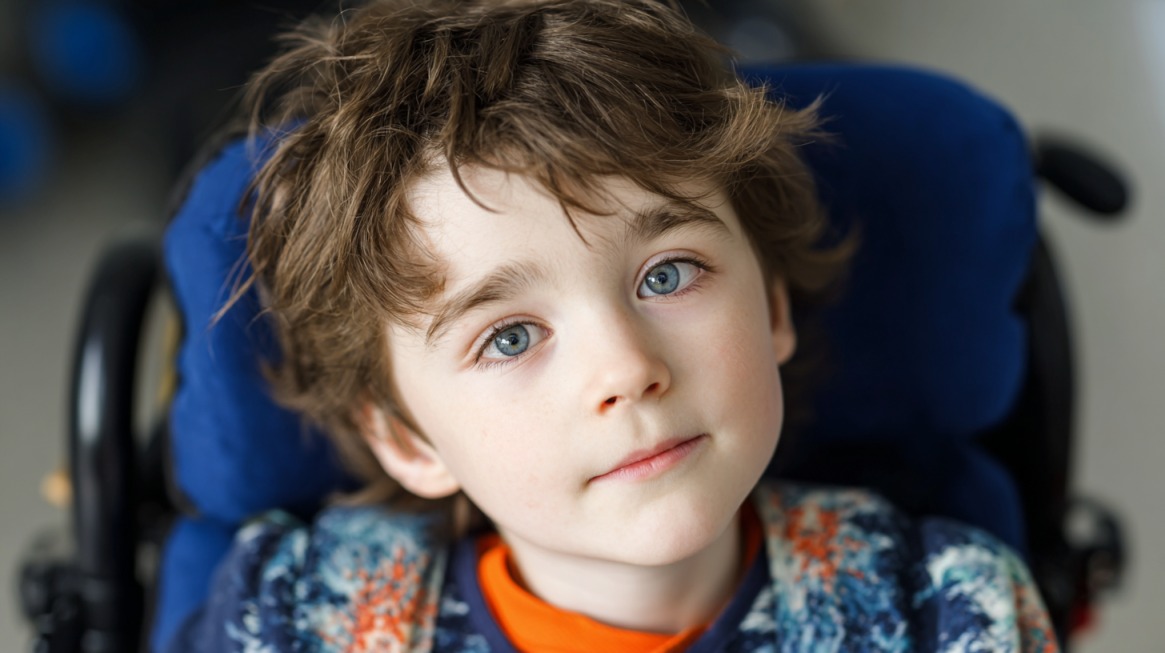
A young child with blue eyes and brown hair looks calmly at the camera while sitting in a supportive chair, wearing a patterned sweater

Spastic Hemiplegic Cerebral Palsy (SHCP) is a neurological condition affecting muscle control and movement on one side of the body. It results from damage to the brain’s motor regions that control voluntary motion. In most cases, one arm and one leg on the same side show noticeable stiffness or weakness. SHCP belongs to the broader … Read more

Scissor Legs in Babies – Causes, Signs, and When to Seek Medical Help

A smiling woman holding a baby in her arms inside a bright medical clinic, with a doctor and other people blurred in the background

Scissor legs in infants describe a condition where a baby’s legs cross or stiffen tightly when lifted or held upright. It can be an early indicator of muscle tone abnormalities or neurological issues. Recognizing this pattern early is essential because it helps parents and doctors detect underlying conditions that may affect movement and development. Early … Read more

What Do Blind People See? Insights into Non-Visual Perception

A Close-Up of An Eye, Sparking Curiosity About What Blind People See

When thinking about the experiences of blind individuals, a common question often comes to mind: “Do blind people see black?” This question touches on the intricate nature of blindness and the wide range of experiences among those who live with it. Contrary to popular belief, blindness doesn’t always mean seeing complete darkness or blackness. What … Read more