Child Not Responding to Name – What It Could Mean

A young child with pigtails looking directly at the camera, sitting indoors surrounded by colorful toys

Responding to one’s name is one of the earliest signs that a child is beginning to engage with people and the surrounding world. It signals that attention, hearing, and early social communication are starting to work together in a meaningful way. Development usually occurs within the first year of life, and many children begin reacting … Read more


What’s the Difference Between an IEP and a 504 Plan?

Student sitting at desk with books looking tired or bored

Educational support plans exist to ensure that students with disabilities receive appropriate assistance in school settings. Laws require public schools to provide support so that students can access learning opportunities and make academic progress. Without structured plans, many students would face barriers that limit participation in general education environments. While both support students with disabilities, … Read more

Decoding vs Encoding – What’s the Difference in Reading?

Student reading a book at a desk near a bright window

Literacy involves two closely connected processes: reading and writing. Reading relies on decoding, while writing relies on encoding. Both depend on shared knowledge of sounds and symbols within a language system. Development of strong literacy skills requires growth in both areas at the same time. Skilled readers and writers build decoding and encoding together, not … Read more

What are the Most Efficient Print Awareness Activities for Early Readers

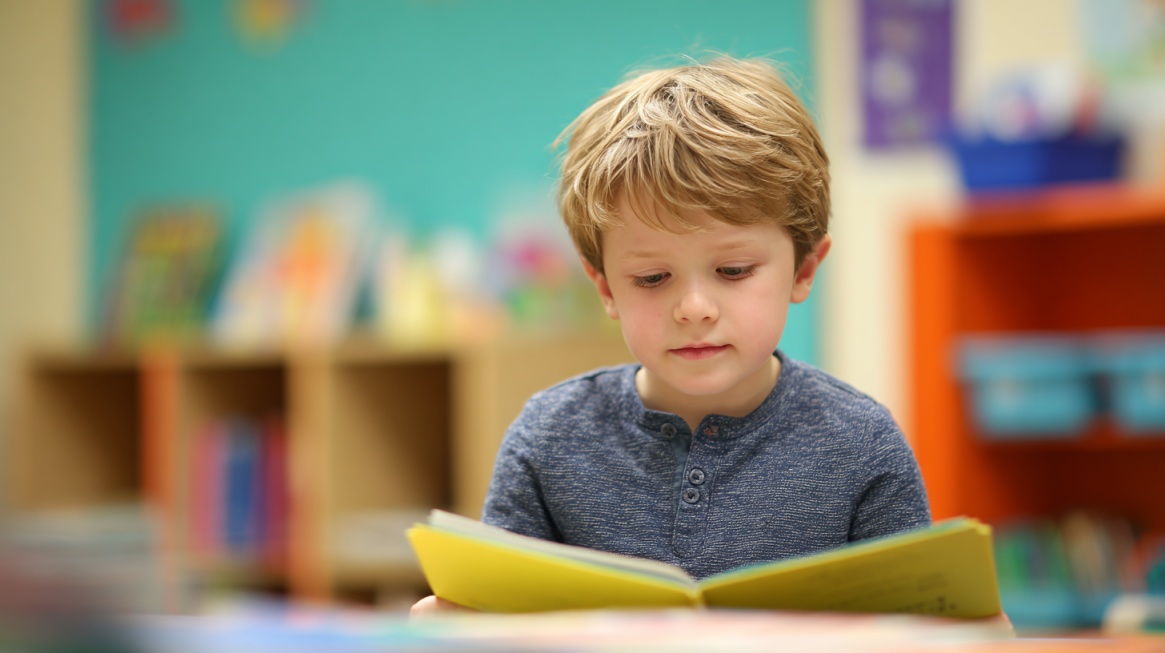
Young child sitting in a classroom reading a book with shelves and colorful materials in the background

Print awareness is the idea that printed text carries meaning and represents spoken language. Early readers begin to notice that marks on a page relate to the words people say aloud. Printed symbols form messages that communicate ideas, information, and stories. Recognition of printed language also includes familiarity with how books and printed materials work. … Read more

Phonological vs Phonemic Awareness Explained for Parents

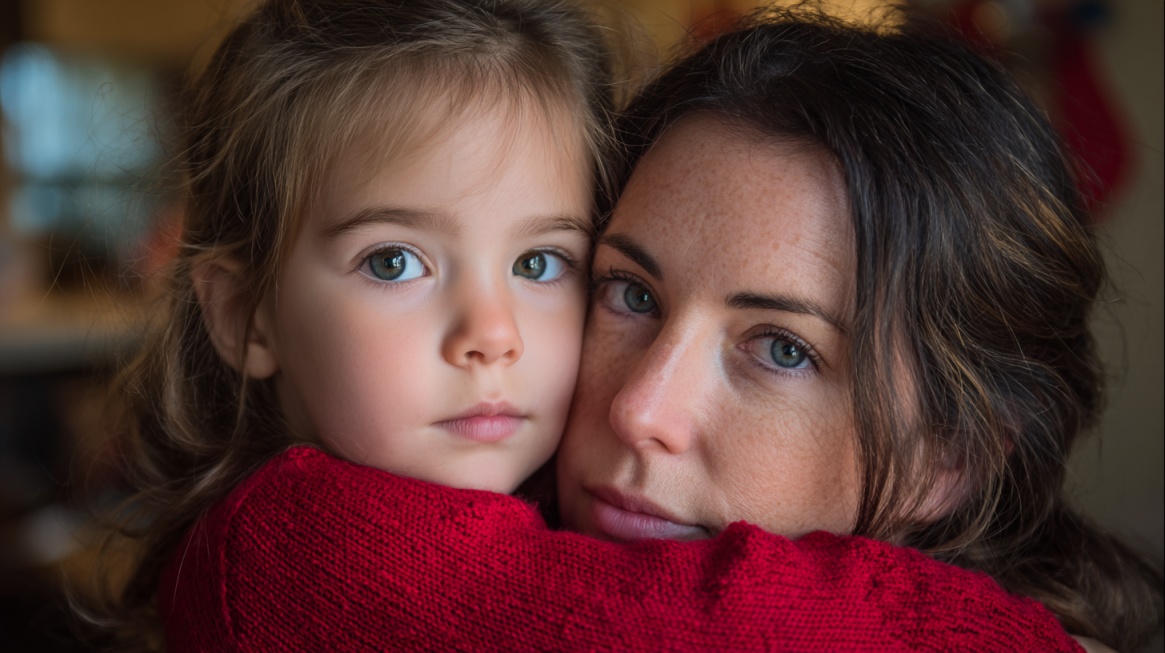
Mother holding a young child close while looking at the camera

Learning to read begins long before a child looks at printed words. Researchers widely agree that children first need awareness that spoken words contain smaller sound parts. Recognition of those sounds allows children to connect speech to letters later during reading instruction. Phonological awareness and phonemic awareness represent two important early literacy skills that prepare … Read more

Best 10 Early Literacy Tips to Boost Your Child’s Reading Skills

A Baby Lying on A Carpet Reading a Book, Highlighting the Importance of Early Literacy in Early Childhood Development

Imagine a child’s eyes lighting up as they turn the pages of a vibrant picture book, their tiny fingers tracing the illustrations, their minds weaving stories beyond the words. In a world increasingly shaped by screens and distractions, instilling a love for books in children is more important than ever. From the first tactile experience … Read more

How Technology is Transforming Learning in 2025? The Evolution of Education

A Teenage Student Wearing Headphones and A Red Hoodie Focuses on A Laptop, Illustrating how Technology Is Transforming Learning

Education has undergone dramatic transformations in a short span, and the journey ahead promises even more exciting changes. As we embrace innovation and digital learning, trends that were once mere concepts are now reshaping how education is delivered and experienced. Every day, millions turn to the internet for guidance on various topics, demonstrating how technology’s … Read more

Top 10 Phonemic Awareness Activities to Boost Early Reading Skills

A Young Child Reading a Book, Practicing Phonemic Awareness to Boost Early Reading Skills

Learning to read is one of the biggest milestones in early education, and it all begins with phonemic awareness. Kids need to tune in to the sounds within words—an essential skill that builds the foundation for reading and writing. Luckily, phonemic awareness isn’t just important; it’s also fun to practice! There are countless creative ways … Read more