
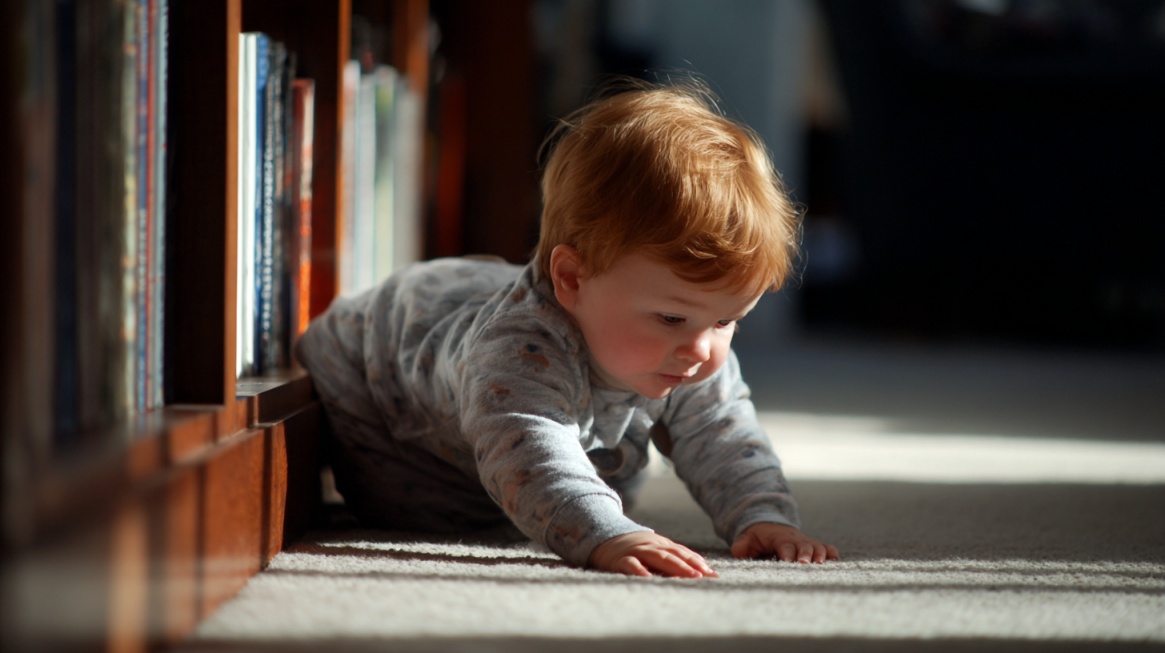
Most toddlers begin walking between 9 and 15 months, though some take longer. Walking involves strength, balance, coordination, and confidence working together.
Wide variation exists in how children reach this milestone. Late walking alone does not always point to a problem.
Careful observation helps separate normal delay from signs that need attention.
Let’s talk about what this means.
Common Causes of Delayed Walking
Delayed walking can result from a range of factors, many of which fall within normal development. Careful observation of a child’s overall growth pattern helps identify why walking may take longer.
In most cases, delay does not point to a serious issue, especially when progress is still visible.
Normal Developmental Variation
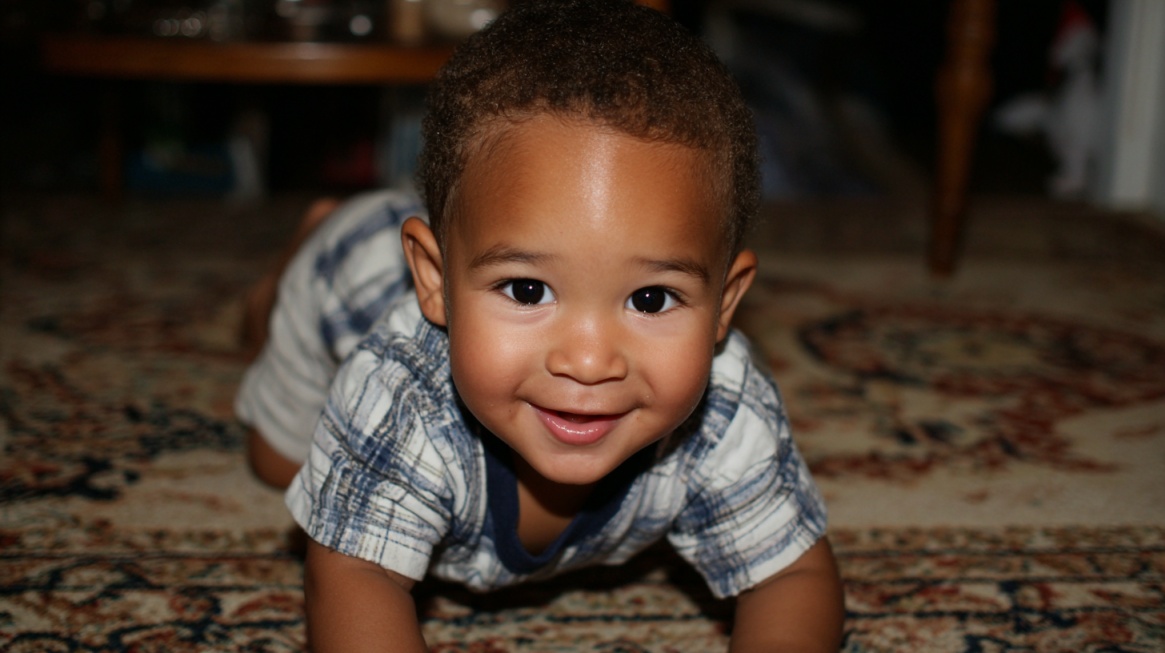
Timing differences are common among healthy children. Some toddlers need more time to build the strength, balance, and coordination required for walking. Growth does not follow the same pace in every child, and variation alone is often not a concern.
Family patterns often influence development. Children with parents or siblings who walked later may follow a similar timeline.
Focusing on other developmental areas can also shift priorities during early growth. For example, a child may invest more energy into communication or fine motor skills before mastering walking.
- Family history of later walking
- Strong development in speech or hand skills
- Gradual physical growth that requires more time to build strength
Personality and Temperament
Temperament affects how and when a child attempts new movements. Some toddlers take a cautious approach, waiting until they feel secure before trying to walk.
Confidence levels and willingness to take risks can shape how quickly walking begins.
Certain behaviors, like tantrums, may indicate a more cautious personality. Preference for crawling often continues because it feels faster and more reliable. Fear of falling can slow attempts to stand or take steps.
Careful and controlled movements may replace frequent attempts, leading to a slower transition into walking.

Lack of Opportunity or Encouragement
The environment plays a major role in motor development. Children need time and space to practice movement. Limited opportunities can delay progress, even in otherwise healthy toddlers.
Time spent on the floor allows muscles to strengthen and coordination to improve. Restrictive equipment can reduce opportunities for natural movement.
Safe and open areas give children the chance to explore standing, cruising, and stepping at their own pace.
- Frequent use of walkers, jumpers, or bouncers
- Small or crowded spaces that restrict movement
- Reduced time for supervised floor play
Physical Factors
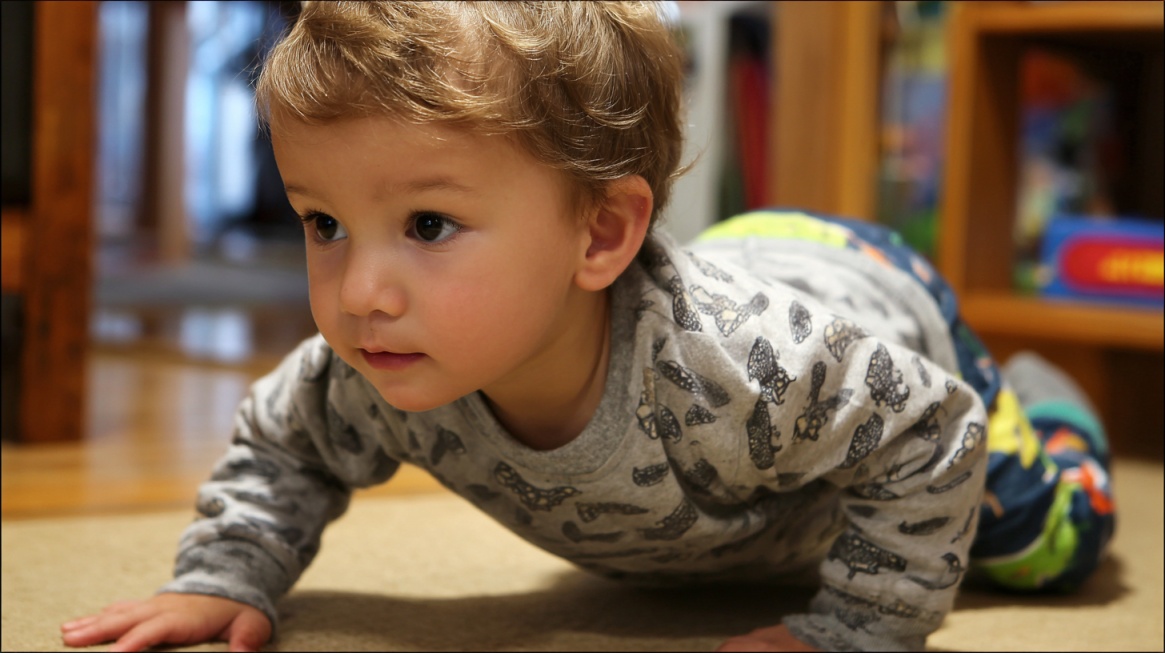
Walking depends on a combination of strength, balance, and body control. Some children take longer to develop these physical abilities.
Differences in muscle tone, joint stability, and body composition can all influence readiness for walking.
Low muscle tone may make it harder to support body weight. Joint laxity can reduce stability, leading to difficulty maintaining balance.
Increased body weight can require more effort for movement. Delays in building core and leg strength can also slow progress.
Medical or Developmental Conditions
Less common causes include underlying medical or developmental conditions. Additional signs often appear alongside delayed walking, helping guide further evaluation. Early recognition allows for appropriate support when needed.
- Neurological conditions such as cerebral palsy
- Muscular disorders such as muscular dystrophy
- Orthopedic concerns like hip dysplasia
- Global developmental delays or genetic syndromes
View this post on Instagram
What Is Considered “Late Walking”?
The timing of first independent steps varies widely among toddlers. Clear definitions help parents and caregivers recognize when a delay may need attention.
Late walking is usually defined as not walking independently by 15 to 18 months.
Many children still fall within a normal range up to 18 months if steady progress is present.
Progress matters more than a specific age.
- Delay with steady improvement, such as moving from sitting to pulling up, then cruising
- Delay with little or no change in movement over time
Skipping crawling can occur in healthy development and does not always signal a problem. Some children move directly to standing or walking. Concern grows when no form of mobility develops, such as not scooting, crawling, or attempting to stand.
When to Be Concerned

Certain patterns may indicate red flags in development and a need for closer evaluation. Both age and movement quality should be considered. Lack of progress or unusual movement patterns may require attention.
Age-Related Red Flags
Developmental milestones provide general timing guidelines. Missing key milestones may signal a delay that needs evaluation.
- Not standing with support for around 12 months
- Not walking independently by 18 months
- No attempts to move toward standing or walking
Movement Concerns
Quality of movement can reveal underlying issues. Differences in muscle tone or posture may indicate a problem that needs assessment.
- Very stiff or very floppy muscle tone
- Consistent preference for one side of the body
- Persistent toe walking or unusual posture
- Difficulty bearing weight on legs
Developmental Delays
Motor delays combined with delays in other areas may point to broader developmental concerns. Observing overall growth helps identify these patterns early.
- Speech and language development
- Social interaction and engagement
- Fine motor skills, such as grasping and manipulating objects
Loss of previously gained skills requires immediate medical attention.
Lack of Progress
Ongoing development should show gradual improvement over time. Lack of change can be more concerning than delayed timing alone.
- No transition between sitting, standing, and cruising
- No attempts to stand or move despite opportunities
- Minimal or no improvement over several months
How Parents Can Support Walking Development
Daily routines play an important role in helping toddlers build the strength and coordination needed for walking. Consistent opportunities to move, explore, and practice allow skills to develop naturally over time. Simple changes in a child’s environment and daily activities can make a meaningful difference.
Regular floor time gives toddlers space to move freely and strengthen key muscle groups.
Time spent sitting, crawling, reaching, and pulling up helps develop core stability and leg strength. Open areas without obstacles encourage children to experiment with movement and practice new skills at their own pace.
Safe spaces designed for exploration support early standing and cruising. Furniture placed within reach allows toddlers to pull up and move along surfaces while holding on. Stable objects at the right height provide support and help improve balance.
Supervision remains important to ensure safety while allowing independence.
Push toys can be useful tools for building confidence and coordination. Unlike walkers, which may limit natural movement patterns, push toys encourage active participation. Toddlers learn to shift weight, maintain balance, and take steps while holding onto something stable.
Proper use supports a gradual transition toward independent walking.
Limiting time in restrictive equipment helps promote natural development. Extended use of bouncers, jumpers, or similar devices can reduce opportunities to practice standing and stepping.
Summary
Late walking often falls within normal variation when progress continues. Despite what it may look like, the focus should remain on overall development and steady improvement rather than age alone.
Early recognition of warning signs allows for proper support. Parents should monitor progress and seek advice if concerns arise.