

Responding to one’s name is one of the earliest signs that a child is beginning to engage with people and the surrounding world. It signals that attention, hearing, and early social communication are starting to work together in a meaningful way.
Development usually occurs within the first year of life, and many children begin reacting consistently to their name somewhere between 9 and 12 months.
Caregivers often notice quickly when this response is missing, since it is used frequently in everyday interaction.
Lack of response does not automatically indicate a serious issue, but it is often one of the first signs that prompts closer observation.
Common Reasons a Child May Not Respond to Their Name
A child not responding to name can be linked to several underlying factors, and each one affects how a child processes sound, attention, and social interaction.
Careful expansion of these causes helps clarify why this behavior may appear and how it can vary across situations.
Hearing-Related Issues

Hearing is one of the first areas to consider when a child not responding to name becomes noticeable. Clear and consistent sound input is necessary for a child to connect their name with meaning and importance.
Temporary conditions are often overlooked, yet they can significantly affect how a child hears everyday speech.
- ear infections that create pressure and discomfort
- fluid buildup in the middle ear that muffles sound
- fluctuating hearing clarity that changes day to day
In these cases, a child may respond at times and seem unresponsive at others, which can be confusing for caregivers.
More persistent concerns may involve permanent hearing loss. Severity can vary widely, and some children may still detect certain frequencies while missing others. This can create a pattern where a child reacts to environmental sounds but not to speech, including their name.
Consistency of response is an important clue. A child who hears but does not always process speech clearly may show delayed reactions or appear to ignore voices altogether.
A formal hearing evaluation provides essential information and should be completed early when a child is not responding to name.
Attention and Environmental Factors
Attention plays a major role in how children respond to their names. A child not responding to name may simply be deeply engaged in another activity.
Young children often become absorbed in what interests them, and shifting attention can be difficult.
- strong focus on screens, toys, or preferred objects
- repetitive play that limits awareness of surroundings
- busy or noisy environments where voices are less noticeable
In such moments, even children with typical development may not react immediately when called.
Patterns of interaction also influence behavior over time. Frequent repetition of a child’s name without a clear outcome can reduce its importance. If calling their name does not lead to interaction, guidance, or reward, a child may begin to ignore it.
Context matters as well. A child may respond quickly in a quiet room but show little reaction in a crowded or stimulating setting.
Language Development Delays
Language comprehension is closely tied to how a child reacts to their name. A child not responding to their name may not yet connect the word with their identity.
Receptive language delays can make it harder for children to process spoken input.
Children with these delays may appear attentive in other ways. They might follow gestures, respond to pointing, or react when touched, even if they do not respond to verbal cues.
Speed of processing is another factor. A child may eventually respond, but with a noticeable delay, especially when multiple words or distractions are present.
Social Communication Differences
Social engagement influences how children respond to voices and names. A child not responding to name may show reduced interest in social interaction rather than difficulty hearing or processing words.
Some children naturally orient less toward people and more toward objects or activities.
Responses to different types of sounds can offer useful insight. A child may quickly react to music, familiar sounds, or favorite shows, while still not responding when their name is called.
Eye contact and facial engagement often provide additional context. Limited use of these social signals can contribute to reduced responsiveness.
Behavioral or Learning History Factors

Learning history shapes how a child responds over time. A child not responding to a name may not yet associate it with meaningful outcomes.
Behavior is influenced by consequences. If responding to a name does not lead to interaction, attention, or a positive experience, motivation to respond may remain low.
- lack of reinforcement after responding
- Repeated name use without purpose or follow-up
- selective response when something desirable is expected
Consistency of caregiver responses plays an important role. A child is more likely to respond when their name predicts something engaging or rewarding.
Daily conditions also affect responsiveness. Fatigue, mood, and temperament can lead to variations, even within the same day.
Possible Developmental Concerns
A child not responding to name can sometimes be linked to broader developmental differences. Context and additional behaviors are essential when considering these possibilities.
Autism Spectrum Disorder (ASD)
View this post on Instagram
Reduced response to name is often one of the early signs associated with autism. Differences can appear within the first year of life, sometimes as early as 6 to 12 months.
Additional behaviors may provide important context.
- limited or inconsistent eye contact
- reduced social smiling or shared enjoyment
- delayed babbling or absence of spoken words
- repetitive movements or focused interests
Response patterns can vary. Some children respond occasionally, especially in highly motivating situations, rather than consistently ignoring their name.
A single behavior is not enough for diagnosis. A broader pattern across social communication and behavior must be considered.
Other Developmental Differences
Several other developmental conditions can influence how a child responds to their name. These differences often affect multiple areas at once.
- global developmental delays that impact language, thinking, and social skills
- sensory processing differences that alter how sound is experienced
- attention-related challenges that make shifting focus difficult
Some children may be under-responsive to sound, while others may avoid it due to sensitivity. Both patterns can affect name response.
Variability across situations is common. A child may respond in one setting but not in another, depending on sensory input and attention demands.

How to Evaluate the Situation
Observation is one of the most effective ways to gather insight when a child is not responding to their name, which becomes a concern.
Patterns across different situations provide more meaningful information than isolated moments.
- how often the child responds, such as consistently, occasionally, or rarely
- differences between quiet and noisy environments
- reactions to familiar people compared to unfamiliar voices
Looking at related developmental behaviors adds important detail. Areas to monitor include:
- eye contact during interaction
- use of gestures like pointing or waving
- progress in speech and language
Simple checks at home can offer additional clues. Calling the child’s name when they are not looking, and changing tone or volume, can reveal how they respond under different conditions.
Strategies to Encourage Name Response
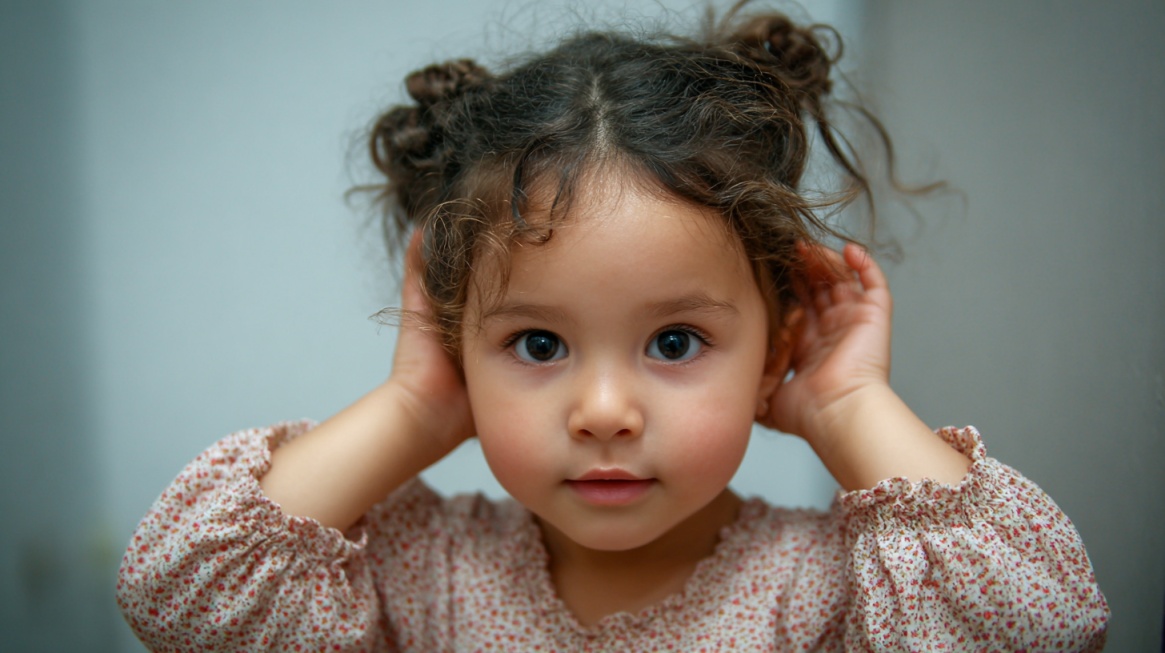
Practical strategies can support a child not responding to name by strengthening attention, association, and motivation.
Build Meaning and Association
A child is more likely to respond when their name is connected with positive experiences. Repeated pairing with enjoyable interaction helps build that connection over time.
Using the child’s name during play, shared attention, or rewarding moments increases its importance.
Gain Attention First
Attention should be secured before calling a child’s name. Positioning within the child’s line of sight and reducing distractions can make a significant difference.
Approaching at eye level or gently entering their visual space can help prepare them to respond.
Use Clear and Intentional Communication
Clarity and timing improve effectiveness when calling a child’s name.
- saying the name once and allowing time to respond
- avoiding repeated calling without a pause
- adding a gesture or a gentle touch to support attention
Pausing after calling the name gives the child time to process and react.
@intentionalparentingsaPart 2 Caption: Make no mistake—this is definitely Zipho’s world. She’s bold, brilliant, and completely herself. Watching her take up space with so much confidence and joy? Unmatched. Click on the link in bio to shop our Intentional Conversations Cards.♬ original sound – Intentional Parenting SA
Reinforce and Reward
Positive reinforcement strengthens behavior. Immediate praise or engagement after a response increases the likelihood of it happening again.
Enthusiastic reactions help make the experience meaningful and motivating.
Practice in Structured Ways
Regular practice supports learning across different situations. Structured activities and routines provide predictable opportunities to use and respond to a name.
Games, turn-taking activities, and daily routines can help build consistency over time.
Summary
Lack of response to a name can arise for many reasons, including attention, hearing, language development, or broader developmental differences.
Observing patterns across situations is key to identifying what may be influencing the behavior.
Early monitoring and timely evaluation allow children to receive appropriate support, helping them build stronger communication and social skills over time.