
Print awareness is the idea that printed text carries meaning and represents spoken language.
Early readers begin to notice that marks on a page relate to the words people say aloud. Printed symbols form messages that communicate ideas, information, and stories.
Recognition of printed language also includes familiarity with how books and printed materials work. Children begin to notice letters, words, and the ways text appears on a page.
Gradual exposure to printed language builds recognition that letters form words and words carry meaning.
Basic knowledge of print organization also develops during early literacy experiences. Children begin to notice spaces between words, the direction of reading, and patterns in printed text.
Familiarity with these patterns prepares young learners for later reading instruction.
How Print Awareness Develops in Young Children
Growth of print awareness occurs gradually through repeated contact with written language. Young children encounter print during daily activities long before formal reading instruction begins.
Everyday interactions with books, signs, labels, and written materials introduce children to the idea that written symbols communicate meaning.
Early literacy development depends on consistent exposure to printed language paired with guidance provided by adults. Caregivers, educators, and family members play an important role in directing children’s attention toward letters, words, and features of text.
Frequent opportunities to notice print during routine experiences help children build familiarity with written language.
Several stages contribute to the early development of print awareness.
Early Exposure to Print
Printed language appears in many everyday environments, allowing young children to encounter written words during daily routines.
Visual contact with print begins long before children attempt to read. Frequent observation of printed symbols gradually builds recognition that writing carries meaning.
Environmental print includes many types of materials that children see regularly. Examples appear in public places, homes, and community settings.
- Signs placed along streets, inside buildings, or near businesses
- Billboards displaying advertisements and messages
- Product labels on grocery items and household containers
- Books found in homes, classrooms, and libraries
- Magazines and newspapers containing printed stories and images
Visual exposure to these materials encourages children to notice that written language appears in many locations. Grocery labels, restaurant menus, and store signs show that printed words communicate messages used in daily life.
Environmental print also demonstrates that written language performs different functions.
Certain types of printed language provide information about products or services, while others provide directions or instructions. Written language also entertains readers through stories and articles.
Several everyday situations allow children to observe print used for practical communication.
- Reading food labels while shopping
- Noticing stop signs and traffic signals during travel
- Identifying store logos during walks through neighborhoods
- Watching adults read newspapers or magazines at home
Repeated exposure to these materials strengthens recognition that print carries meaning connected with everyday experiences. Gradual contact with environmental print also helps children connect written words with familiar objects, places, and activities.
Development in Early Childhood
Print awareness begins developing very early in life. Infants often observe adults interacting with books and printed materials, which introduces them to early literacy behaviors. Even very young children notice that books contain pages, pictures, and text.
Preschool years between ages two and four represent an important stage for growth in print awareness. Children during this period begin to notice patterns in printed language and show curiosity about letters and words.
Several behaviors commonly appear during early childhood development of print awareness:
| Behavior | Description |
|---|---|
| Recognition of familiar logos or symbols associated with favorite products or locations | Shows early understanding that symbols and print carry meaning. |
| Interest in turning book pages and looking at illustrations | Indicates growing familiarity with books and how they are used. |
| Attempts to imitate reading by telling stories while flipping through pages | Demonstrates emerging awareness of how reading works and storytelling patterns. |
| Curiosity about letters appearing in names or familiar words | Reflects early recognition of letters and connection to spoken language. |
Rapid development often occurs between ages three and five when adults involve children in frequent literacy activities. Shared reading, storytelling, and playful interaction with printed text help children become more attentive to the features of written language.
Growth during preschool years often includes several observable abilities.
- Recognize that printed words correspond to spoken language
- Notice that text moves across a page in a consistent direction
- Identify letters that appear in their names or familiar words
- Observe spaces separating words in sentences
Frequent contact with books and printed materials supports curiosity about letters, words, and written messages. Gradual connection between spoken words and printed symbols strengthens early reading readiness.
Role of Caregivers and Educators
Adult guidance plays an important role in developing print awareness.
Young children benefit greatly when adults intentionally draw attention to printed language during reading and everyday activities. Active support helps children recognize patterns in written text and learn how books function.
Parents, caregivers, and educators introduce children to print during routine experiences. Small interactions with written language often produce meaningful learning opportunities.
Demonstrations of book use also contribute to early literacy development. Adults show children how to hold a book correctly, how pages turn in sequence, and how text moves across a page during reading.
Questions asked during reading activities encourage children to focus on printed language. Adults may ask children to locate letters, notice punctuation, or point to specific words in a sentence.
Consistent support during literacy activities creates many opportunities for learning. Regular interaction with print guided by supportive adults encourages children to pay attention to written language and develop confidence with books.
Print Awareness Activities for Early Readers
Intentional activities can strengthen children’s awareness of print. Reading experiences, playful exploration of letters, and opportunities to create written materials allow children to interact with written language in meaningful ways.
Several types of activities help children learn about printed language.
Book Handling and Shared Reading Activities
Book handling activities introduce children to the physical structure of books and the organization of printed text. Early familiarity with these features helps children learn how reading works.
Adults often begin reading activities by introducing the basic parts of a book. Children benefit when adults point out important features such as the cover and title before starting a story.
- Front cover showing the title and illustration
- Back cover located at the end of the book
- Title page that displays the name of the story
- Pages that contain printed text and pictures
Demonstrations of correct book handling also help children learn how books function. Children observe how adults hold a book upright and turn pages one at a time in order.
Running a finger under printed words during reading helps children notice the connection between spoken and written language. Movement of the finger across the page supports awareness that reading follows a specific direction.
Questions asked before and during reading encourage active participation. Adults might ask children to predict story events based on the cover illustration or identify letters appearing in the title.
Pauses during reading provide opportunities to focus attention on printed language. Adults may ask children to locate repeated words, notice punctuation marks, or count the number of words in a sentence.
Shared reading experiences create meaningful interactions with printed text while building early print awareness.
Environmental Print Activities
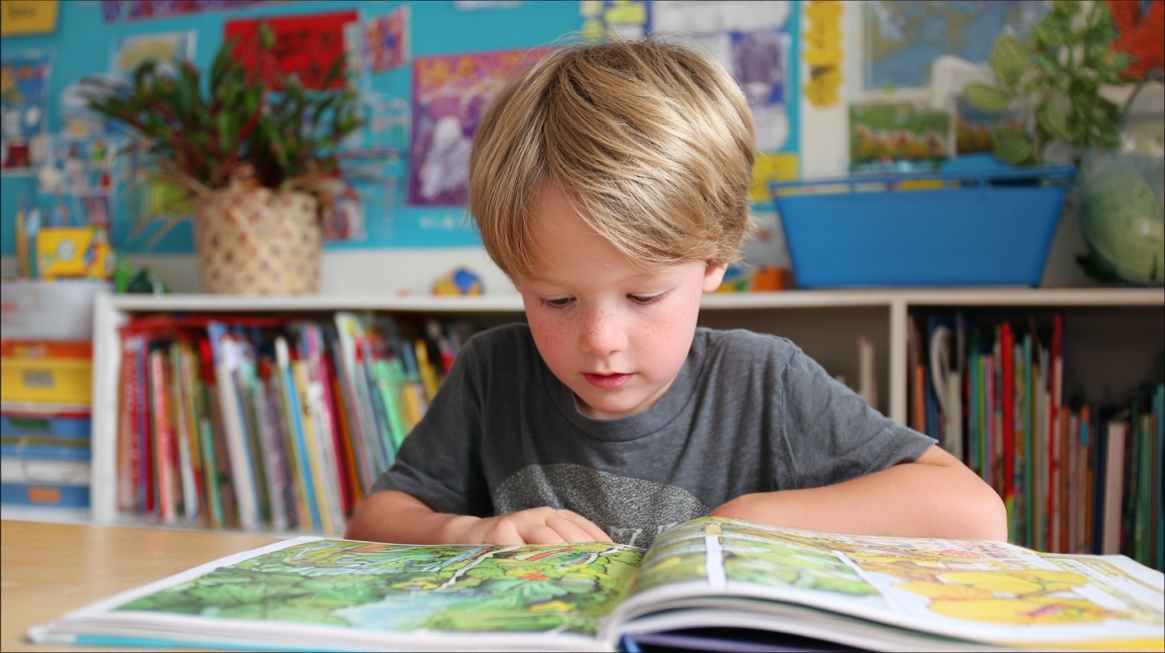
Printed language appears in many locations outside books. Everyday surroundings provide constant opportunities for children to observe written words used in practical situations.
Environmental print activities encourage children to notice written language during daily routines. Grocery stores, neighborhoods, and homes contain many examples of printed text that children can observe.
- Product labels on food packages
- Street signs and traffic signals
- Store signs and business logos
- Restaurant menus and advertisements
Adults can draw attention to these examples by reading words aloud and discussing their meaning. Grocery shopping trips, for example, allow children to see printed labels connected with familiar foods.
Labels placed on objects inside homes or classrooms also support print awareness. Words placed near common items help children connect written language with everyday objects.
Examples of labeled items may include:
| Item | Label Example |
|---|---|
| Chair | Chair |
| Table | Table |
| Door | Door |
| Window | Window |
| Toy box | Toy box |
Environmental print provides regular reminders that written language appears throughout daily life and communicates useful information.
Play Based Print Activities
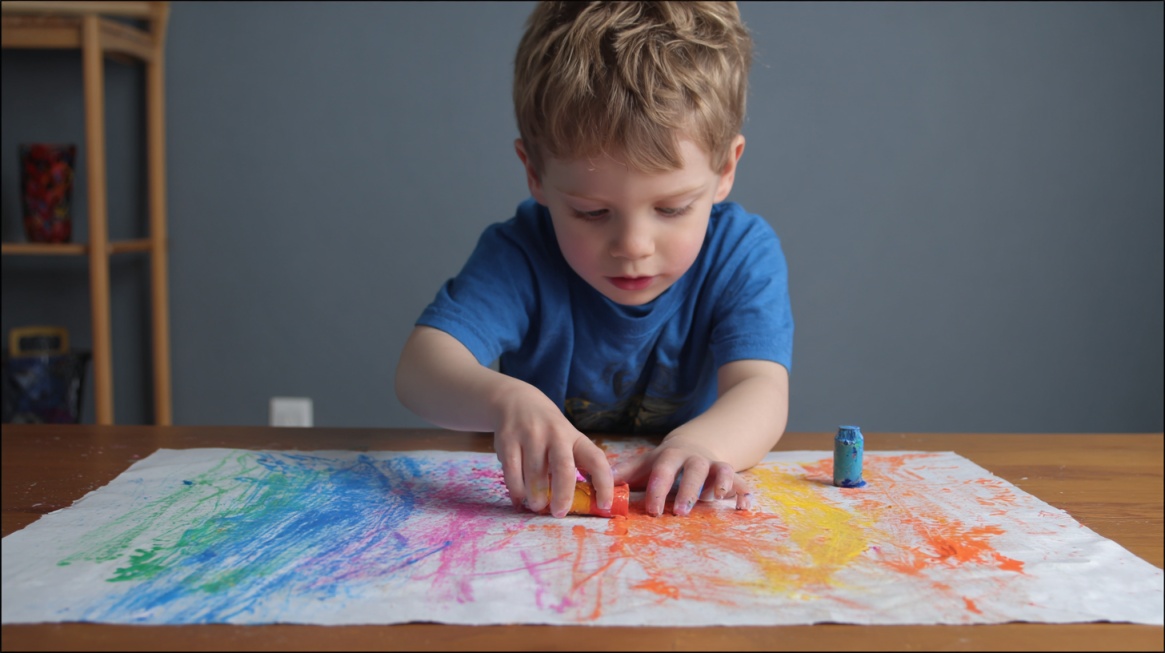
Playful experiences help children interact with print in relaxed and enjoyable ways. Activities that combine play with reading or writing encourage curiosity and experimentation with written language.
Pretend reading often appears during early childhood play. Children may turn pages of a book while telling a story based on pictures. Storytelling during play introduces children to the idea that books contain narratives.
Alphabet play provides another effective opportunity for learning. Magnetic letters, alphabet blocks, or letter cards allow children to practice identifying and naming letters.
Sign hunts in the community also encourage interaction with environmental print. Children may search for familiar symbols or letters during walks through neighborhoods or car rides through town.
Book scavenger hunts create another engaging activity. Adults can ask children to search for particular letters, words, or punctuation marks within a storybook.
Play based experiences allow children to practice noticing printed language while participating in enjoyable activities.
Writing and Creation Activities
Creative writing experiences allow children to experiment with written language. Opportunities to produce written materials strengthen awareness of how print represents spoken ideas.
Adults and children can work together to create simple stories. Spoken sentences recorded on paper demonstrate how spoken language can become written text. Children often illustrate stories with drawings that match the written words.
- Writing short stories accompanied by pictures
- Creating pretend restaurant menus with labeled food items
- Developing daily plans using drawings and written words
Pretend menus provide a playful example of practical writing. Children may select foods and label each item with simple words or pictures.
Daily schedules also introduce children to written communication used for organization. Words paired with drawings help children connect printed language with daily routines.
Labels placed on objects inside homes or classrooms reinforce recognition of written words connected with familiar items. Frequent exposure to these labels strengthens attention to printed language.
Creative writing activities provide meaningful opportunities for children to experiment with letters and words.
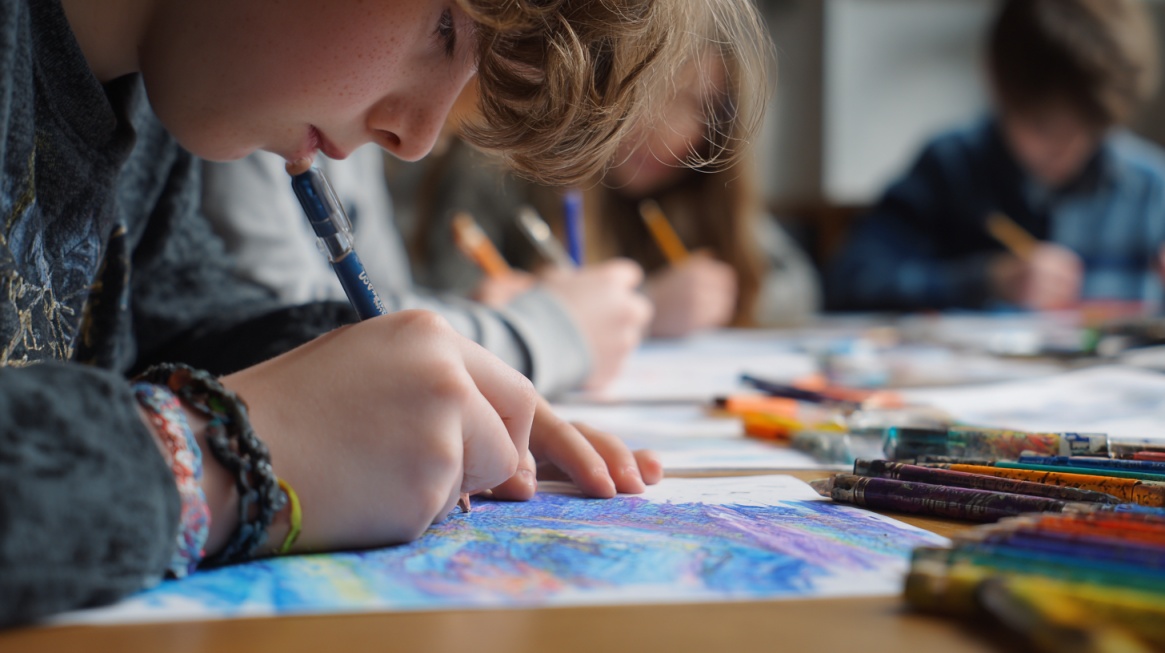
Interactive Print Exploration Activities
Interactive activities guide children toward noticing specific features of printed text. Focused attention on details such as letters, spaces, and punctuation strengthens awareness of how written language works.
One effective activity involves searching for letters appearing in a child’s name during story reading. Personal letters often attract strong interest and encourage participation.
Other activities encourage children to interact directly with printed sentences.
- Pointing to the first word on a page
- Identifying the last word in a sentence
- Counting how many words appear in a line of text
Recognition of spaces between words also supports early reading development. Children gradually learn that spaces separate individual words within sentences.
Attention to punctuation marks introduces additional elements of written language. Periods, question marks, and commas signal pauses or changes in meaning during reading.
Interactive print exploration encourages children to participate actively during reading experiences while strengthening early literacy development.
The Bottom Line
Print awareness forms an essential early literacy skill that introduces children to written language. Recognition that printed text carries meaning helps children connect spoken words with written symbols.
Interaction with books, environmental print, and playful literacy activities helps children learn how printed language works. Frequent contact with written materials strengthens attention to letters, words, and reading direction.
Parents, caregivers, and educators support these skills through regular reading activities and everyday interactions with printed language.